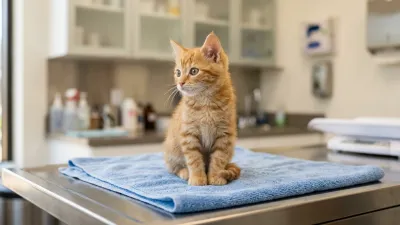
For many cats, veterinary visits and car rides are deeply stressful events. The sound of carrier latches, unfamiliar odors, and physical restraint can trigger fight-or-flight panic responses. To create a gentler, fear-free experience, veterinarians frequently prescribe gabapentin as a pre-visit calming medication.
Understanding how to administer gabapentin, when to give it before an appointment, and how it helps your cat stay relaxed ensures smoother clinical care.
📋 In This Guide
Why is Gabapentin Prescribed for Cats?#
In feline medicine, gabapentin is favored because it provides both anxiety reduction and mild sedation with a very high safety profile.
Common Feline Uses:#
- Pre-Visit Calming: Easing carrier resistance, transport distress, and examination fear.
- Chronic Pain and Osteoarthritis: Managing spinal, joint, and nerve pain in senior cats who cannot safely take traditional NSAIDs.
- Post-Surgical Healing: Providing quiet recovery after dental extractions or spay/neuter surgery.
- Environmental Stress: Calming cats during household moves, home renovations, or the introduction of a new pet.
Administering Gabapentin to Cats#
Gabapentin is typically supplied to cat owners as a small capsule containing dry powder, or as a compounded liquid from a veterinary pharmacy.
Practical Tips for Giving Capsules:#
- Mix with Wet Food or Treat Gravy: Open the capsule and mix the powder thoroughly into a single teaspoon of high-value wet food (such as tuna gravy or lickable puree treats). Do not mix it into a full bowl, or your cat may not finish the entire dose.
- Use a Pill Pocket: Wrap the capsule in a soft, pliable treat designed for cats.
- Never Use Human Liquid Formulations: Some human liquid suspensions contain xylitol, which is hazardous to pets. Only use veterinary-specific liquid preparations.
Have Questions About Feline Stress or Prescriptions?#
Feline medication timing and dosages depend strictly on your cat’s weight, kidney values, and temperament. If you are unsure whether your cat needs pre-visit sedation or daily calming support, connect with a licensed veterinarian online for immediate evaluation.
Timing Your Cat’s Dose Before an Appointment#
Timing is everything when using gabapentin for situational fear. Giving the medication too late means peak sedation will arrive after you are already back home:
- Evening Before Dose (Optional): For severely fractious or terrified cats, vets often recommend giving an initial dose the evening before the appointment to establish a baseline calm state.
- Pre-Appointment Dose: Administer the primary dose 2 to 3 hours before you plan to place your cat into the carrier.
- Peak Sedation Window: Maximum calming effects typically peak between 2 and 4 hours post-administration.
- Total Duration: Noticeable relaxation and drowsiness usually last 8 to 12 hours, after which normal activity returns.
Expected Effects and What to Watch For#
Under the effects of gabapentin, your cat should appear noticeably relaxed, drowsy, and tolerant of handling:
- Normal Sedation Signs: Heavy eyelids, slow movement, mild wobble (ataxia) when walking, and purring or resting quietly.
- Post-Visit Recovery: Keep your cat in a quiet, low-lit room after returning home until full coordination returns. Avoid letting them jump onto high cat trees or counters while unsteady.
Supporting Your Cat with Calming Tools#
Prescription support works best when combined with fear-free handling techniques and environmental pheromones:
- Pheromone Diffusers: Plug in a Feliway Optimum Enhanced Calming Diffuser in the carrier staging area 48 hours before travel to saturate the room with soothing facial pheromones.
- Daily Probiotic Calming: For persistent daily anxiety or multi-cat friction, Purina Pro Plan Calming Care Feline supports long-term emotional balance.
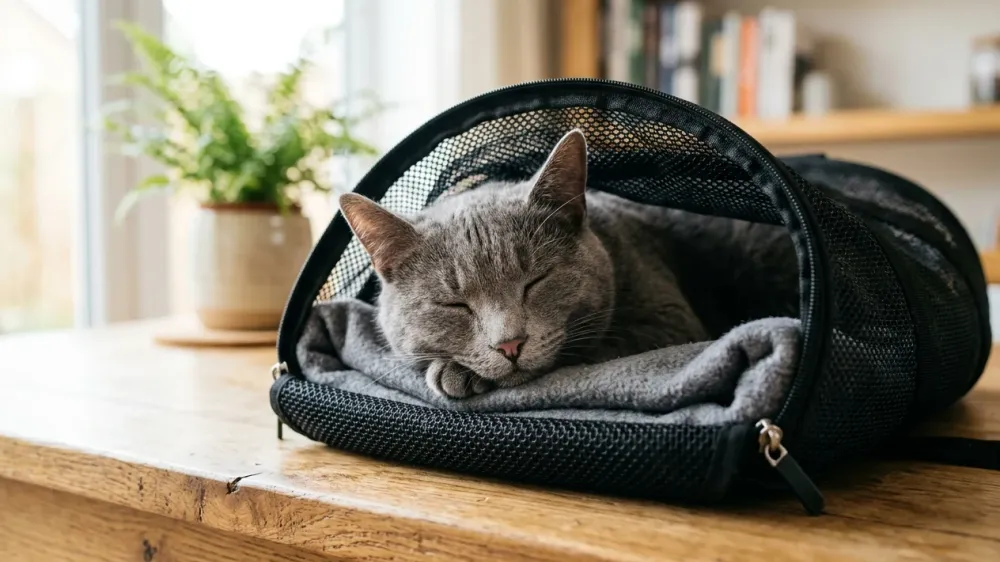
- Carrier Conditioning: Leave your cat carrier open in the living room year-round with a soft fleece blanket and treats inside, so it is viewed as a safe haven rather than an exam shuttle.