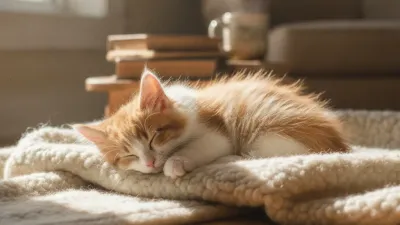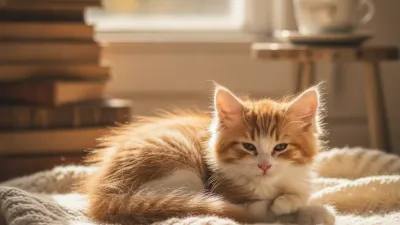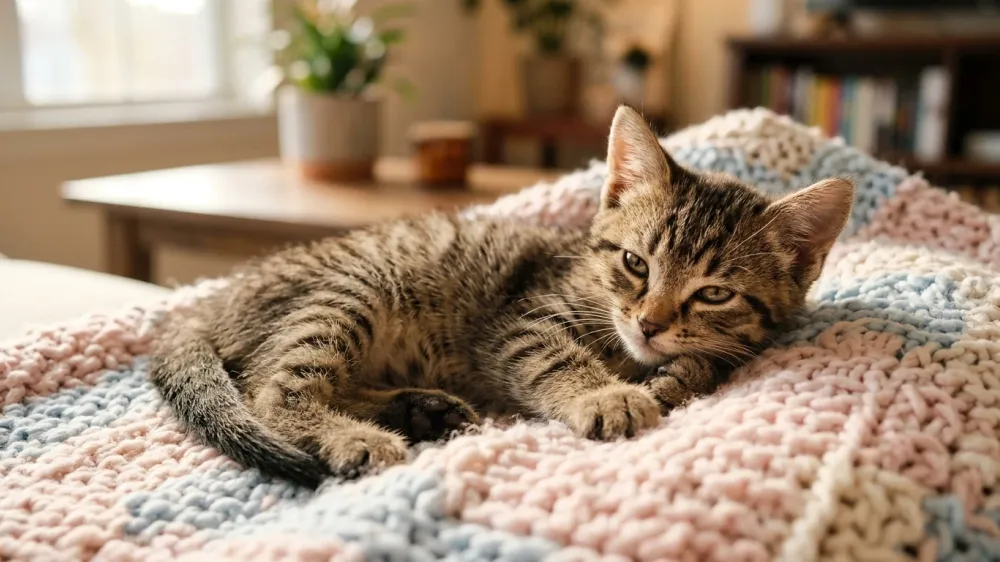
Kitten hiccups are short, involuntary contractions of the diaphragm muscle that occur when a young cat swallows excess air during feeding or play. In almost all cases, these spasms are completely harmless and resolve on their own within a few minutes. Understanding why these contractions happen helps you keep your growing pet comfortable and spot any rare underlying medical issues early.
During our years of working with young litters, we regularly see hiccups in kittens under six months old. Their nervous systems and digestive tracts are still maturing, making them far more prone to mild physical hiccups than adult cats.
📋 In This Guide
Common Causes of Kitten Hiccups#
Most causes of hiccuping in young cats stem from simple daily habits rather than disease. Recognizing these triggers makes it easy to adjust your pet’s routine and minimize discomfort.
Eating or Drinking Too Fast#
When young kittens eat rapidly, they inhale extra air along with their food. This air expands the stomach, pressing directly against the diaphragm and causing it to spasm involuntarily.
This behavior is especially common in litters where kittens learned to compete for food during nursing. If your kitten scarfs down dry kibble or wet food without chewing, hiccups often follow immediately after mealtime.
Hairballs and Grooming#
As kittens learn to groom themselves, they ingest small amounts of loose fur. Hair that gets stuck in the esophagus or stomach can irritate the digestive lining and trigger diaphragmatic spasms.
While young kittens rarely produce full hairballs compared to long-haired adult cats, loose fur in the throat can cause brief bouts of hiccuping alongside minor dry heaving.
Rapid Growth and Nervous System Development#
Growing bodies undergo rapid physical transformations. The nerves controlling the diaphragm undergo regular growth spurts, leading to brief electrical misfires that present as harmless hiccups.
As your kitten matures into adolescence, these developmental hiccups naturally fade away on their own.
Hiccups vs. Respiratory Sounds: How to Tell the Difference#
It is important to distinguish mild hiccups from respiratory issues like coughing, wheezing, or choking. While hiccups produce a subtle, rhythmic jerk of the chest, airway distress sounds noticeably different.
| Symptom | Physical Appearance | Common Sound | Primary Trigger | Action Required |
|---|---|---|---|---|
| Hiccups | Subtle, rhythmic chest twitching | Soft, quiet popping or silent hic | Fast eating, swallowed air | Monitor; usually resolves in 5-10 minutes |
| Coughing | Extended neck, crouched posture | Hacking, sharp, or wet cough | Irritants, hairballs, infection | Consult a veterinarian if frequent |
| Wheezing | Flared nostrils, open-mouth breathing | High-pitched whistling or rattling | Asthma, allergies, airway obstruction | Seek urgent veterinary care |
| Sneezing | Sudden head jerk | Quick, sharp nasal burst | Dust, upper respiratory virus | Monitor; check for nasal discharge |
If you observe eye discharge along with sneezing or wet coughing, review our guide on kitten eye discharge causes and remedies to identify possible viral upper respiratory infections.
How to Help a Kitten Stop Hiccuping#
Most hiccup episodes stop without any intervention within five to ten minutes. However, if your kitten seems distracted or uncomfortable, simple changes can help relax their diaphragm.
Encourage Slow Feeding#
If mealtime hurry is the primary driver, switching to a dedicated slow-feeder dish or interactive food puzzle makes a significant difference. Slowing down their intake prevents air from rushing into the stomach.
Using a slow feeder forces your young cat to take smaller bites, promoting healthier digestion and keeping extra air out of the throat.
Provide Fresh Water and Calming Energy#
Make sure clean, room-temperature water is always available nearby. A gentle sip of water can help reset the diaphragm rhythm. Avoid forcing your kitten to drink, as this can lead to liquid entering the windpipe.
Encourage your pet to rest quietly after eating rather than engaging in vigorous play. Running around immediately after a meal often leads to stomach gas and spasms.
💡 Pro Tip: Never attempt to startle your kitten, pull their tongue, or apply pressure to their torso to end hiccups. Human remedies cause severe stress and can injure a delicate young animal.
When to Worry About Kitten Hiccups#
While temporary hiccups are normal, persistent or painful spasms warrant professional medical evaluation from a veterinarian. Pay attention to how long the hiccups last and whether other symptoms accompany them.
Signs That Require Veterinary Attention#
Contact your veterinarian if you notice any of the following warning signs:
- Hiccups that last continuously for more than 2-3 hours or recur constantly throughout the day.
- Lethargy, weakness, or sudden loss of interest in play.
- Refusal to eat or difficulty swallowing food.
- Vomiting or severe abdominal swelling. If your kitten’s belly feels firm and enlarged, read our guide on why your kitten’s stomach is bloated.
- Open-mouth breathing, pale gums, or visible struggle to catch their breath.
Persistent hiccups combined with loose stools can rapidly lead to dehydration. If you notice fluid stool alongside digestive discomfort, review our steps for managing kitten diarrhea causes and home steps.
Keeping up with routine veterinary checkups during early growth stages helps your pet stay on track. Make sure to discuss general health schedules like when to get a kitten spayed or neutered during your regular visits.
Quick Checklist: Managing Kitten Hiccups#
Use this step-by-step evaluation checklist whenever your kitten starts hiccuping:
- Time the Duration: Start a timer on your phone. Most benign hiccups resolve within 5 to 10 minutes.
- Observe Breathing: Check if the breath moves smoothly through the nose without wheezing, gasping, or heavy chest effort.
- Assess Meal Timing: Note if the hiccups started immediately after rapid eating or energetic play.
- Check General Behavior: Confirm your kitten remains alert, friendly, and comfortable despite the twitching.
- Adjust Feeding Gear: Transition to slow feeders or smaller, more frequent meals if hiccups happen daily.
3-Step Action Plan for Prevention#
[Step 1: Divide Meals] ---> Split daily food into 4-5 smaller portions.
[Step 2: Slow Down Eating] -> Serve food on a wide plate or slow feeder.
[Step 3: Post-Meal Rest] --> Encourage 15 minutes of calm cuddle time after eating.
Frequently Asked Questions#
Do hiccups hurt kittens?#
No, standard hiccups are painless spasms of the diaphragm muscle. Your kitten might look slightly confused by the rhythmic bouncing motion, but it causes no direct physical pain unless accompanied by gastrointestinal distress.
How long do kitten hiccups usually last?#
Most hiccup bouts in young cats last between 2 and 10 minutes. If the spasms continue continuously for several hours or persist over multiple days, schedule a consultation with your veterinarian.
Can hairballs cause hiccups in young cats?#
Yes, hairballs or loose ingested fur can irritate the esophageal lining and stomach, triggering temporary diaphragm spasms. Regular gentle brushing removes loose hair and prevents excess ingestion during grooming.
Summary: Action Plan for Kitten Hiccups#
Kitten hiccups are typically a temporary side effect of rapid growth, playful excitement, or eating food too quickly. By switching to smaller, frequent meals, utilizing a slow-feeder bowl, and providing a quiet environment after feeding, you can significantly lower the frequency of these spasms. Keep track of how long episodes last, and consult your veterinarian if hiccups persist alongside breathing difficulties or digestive distress.