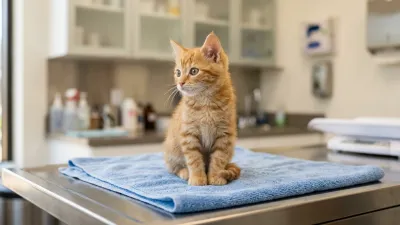
Determining the best time to spay or neuter a kitten involves balancing physical development with behavioral management. While most pet care experts traditionally recommend the procedure at five to six months of age, many animal shelters now perform pediatric surgeries as early as eight weeks. Making the right choice for your pet requires understanding how timing affects their health, growth, and long-term habits.
Pet care experts generally categorize spaying (for females) and neutering (for males) into two timing windows: pediatric and traditional. Pediatric surgery is typically performed when a kitten weighs at least two pounds, usually around eight to ten weeks old. Traditional timing occurs just before the kitten reaches sexual maturity, typically between five and seven months. Both approaches have specific benefits depending on the kitten’s living situation and overall health.
📋 In This Guide
Understanding the Traditional Timeline#
The traditional window of five to six months remains the most common recommendation for household pets. At this age, kittens have completed most of their initial vaccinations and their immune systems are robust. This timing is designed to prevent the onset of heat cycles in females and the development of territorial spraying in males.
By this stage, kittens have usually finished their primary teething phase, and their bodies are large enough to handle anesthesia with very low risk. Waiting until this window also allows the pet owner to ensure the kitten is free of other health issues. For example, it is essential to confirm the kitten is healthy and check for signs of kitten parasites before scheduling any major surgical procedure.
The Rise of Pediatric Spay and Neuter#
Pediatric spaying and neutering is the standard practice for animal rescues and shelters to ensure every adopted pet is sterilized. These surgeries occur as early as eight weeks of age. Experts have found that kittens at this age recover remarkably fast, often bouncing back to their normal energy levels within twenty-four hours.
While some owners worry about stunted growth, research indicates that early sterilization does not negatively impact a kitten’s physical development. In fact, kittens fixed earlier may grow slightly taller because the growth plates in their bones stay open a bit longer without the influence of sex hormones. This approach is highly effective for preventing accidental litters in multi-cat households.
Behavioral and Health Benefits#
Sterilizing a kitten before they reach sexual maturity provides significant behavioral advantages. Male kittens that are neutered early are far less likely to develop the habit of spraying urine to mark their territory. This makes maintaining consistent litter box training much easier for the owner.
For female kittens, spaying before the first heat cycle almost eliminates the risk of mammary tumors later in life. It also prevents the loud vocalizing and restless behavior associated with heat cycles. Beyond behavioral benefits, fixing your pet prevents serious health complications like pyometra, a life-threatening uterine infection.
💡 Pro Tip: Schedule your kitten’s surgery at the same time you discuss their final round of kitten shots. This ensures they are protected from infectious diseases while recovering from their procedure.
Post-Surgery Care and Recovery#
After the surgery, your kitten will need a quiet, confined space to rest for seven to ten days. During this time, it is vital to prevent them from jumping, running, or licking their incision site. Traditional plastic cones can be stressful for young cats, often interfering with their ability to eat or navigate their environment.
Using a specialized garment can significantly improve the recovery experience. This suit protects the surgical site without the bulk of a cone, allowing the kitten to move naturally while keeping the area clean. During recovery, you should also focus on low-impact enrichment, such as teaching your kitten to use a scratching post rather than engaging in high-energy chase games.
| Feature | Pediatric (8-12 Weeks) | Traditional (5-6 Months) |
|---|---|---|
| Recovery Speed | Very Fast | Fast |
| Anesthesia Risk | Very Low | Minimal |
| Behavior Prevention | Highly Effective | Prevents Mature Habits |
| Growth Impact | Minimal | Standard |
| Shelter Standard | Yes | No |
Metabolic Changes After Surgery#
One often overlooked aspect of spaying and neutering is the change in the kitten’s metabolism. Once the sex hormones are removed, a kitten’s energy requirements can drop by up to twenty percent. If their caloric intake is not adjusted, they can quickly become overweight.
This hormonal shift often coincides with the period when owners begin considering when to switch kitten to adult food. It is important to monitor their body condition closely during the months following surgery. If you notice your kitten gaining excess weight, consult a pet care expert about adjusting their portion sizes or transitioning to a food formulated for sterilized cats.
Preparing for the Appointment#
Before the surgery, your pet care provider will give you specific fasting instructions. Usually, kittens over four months old should not eat after midnight the night before. However, younger kittens may require a small meal on the morning of surgery to prevent low blood sugar. Always follow the specific instructions provided by the clinic.
Ensure your kitten is also up to date on external parasite prevention. Recovering from surgery is difficult enough without the added stress of itchy skin. Following a safe flea removal guide before the surgery date ensures the surgical environment remains sterile and the kitten remains comfortable.
Frequently Asked Questions#
At what weight can a kitten be fixed?#
Most clinics require a kitten to weigh at least two pounds before they will perform a spay or neuter surgery. This weight is typically reached between eight and ten weeks of age. Reaching this weight milestone ensures the kitten is physically developed enough to safely metabolize the anesthesia used during the procedure.
Will neutering my kitten change its personality?#
Neutering or spaying does not change a kitten’s fundamental personality. Your cat will still be the same playful, affectionate companion. However, it will reduce or eliminate behaviors driven by hormones, such as roaming, aggression toward other cats, and territorial marking. Most owners find their pets become more focused and calmer after the procedure.
How long does it take for a kitten to recover?#
Most kittens are back to their normal selves within 24 to 48 hours. However, the internal healing process takes longer. It is important to restrict vigorous activity for at least seven to ten days to ensure the incision heals properly. Always check the incision site daily for any redness, swelling, or discharge.
Summary: Your Kitten Surgery Action Plan#
To ensure a smooth experience for your kitten, follow this structured timeline for their surgical care:
- Consult Early: Discuss timing with a pet care expert during the first round of vaccinations (6-8 weeks).
- Health Check: Ensure the kitten is at least two pounds and free of parasites or respiratory infections.
- Schedule: Book the surgery for between 4 and 6 months of age unless you are in a multi-cat household where earlier timing is needed.
- Prepare the Home: Set up a small, quiet recovery room with a litter box, water, and a soft bed.
- Post-Op Monitoring: Use a recovery suit to protect the incision and monitor food intake to prevent unhealthy weight gain.
- Follow-Up: Keep the kitten calm for 10 days and attend any scheduled post-operative checkups.