Kitten fleas are more than just a nuisance; they are a significant health risk that can lead to anemia or life-threatening weakness if left unmanaged. Because kittens have developing immune systems and sensitive skin, you cannot use standard adult cat flea products on them. Safe flea removal requires a strategy tailored to the kitten’s age, weight, and overall health status.
Before starting any treatment, it is vital to assess the kitten for other signs of illness. Fleas are frequently intermediate hosts for internal parasites, so pet care experts recommend monitoring your pet using a guide on how to tell if a kitten has worms alongside your flea removal efforts. Managing both issues simultaneously ensures the kitten’s recovery is not hindered by multiple parasitic loads.
📋 In This Guide
Assessing the Flea Burden Safely#
Identifying fleas on a kitten is usually done through visual inspection. Look for small, dark specks moving through the fur, or “flea dirt,” which looks like tiny grains of black pepper. Flea dirt is actually digested blood; if you place a speck on a damp white paper towel and it turns reddish-brown, you have confirmed a flea infestation.
Young kittens, particularly those under eight weeks old, are extremely susceptible to the toxins found in many over-the-counter flea sprays and collars. Never apply a product unless the label specifically states it is safe for the kitten’s exact age and weight. Using the wrong product can lead to tremors, seizures, or worse.
The Safest Tool for All Ages#
For kittens of any age, a high-quality flea comb is your first line of defense. This tool allows you to physically remove adult fleas and their eggs without introducing any chemicals to the kitten’s bloodstream.
When using the Safari Cat Flea Comb, keep a small bowl of soapy water nearby. As you pull the comb through the fur, immediately dip it into the water to drown the fleas. Focus on high-traffic areas like the neck, the base of the tail, and the armpits.
Age-Based Treatment Guidelines#
Pet care experts divide flea treatment protocols into two main categories: kittens under eight weeks and kittens eight weeks or older. The following table summarizes the safe interventions for each stage.
| Kitten Age | Safe Treatment Methods | Precautions |
|---|---|---|
| Under 8 Weeks | Manual combing, warm baths with gentle dish soap | No chemical topicals or collars |
| 8 to 12 Weeks | Targeted topical treatments (weight-dependent) | Use products labeled for kittens only |
| 12+ Weeks | Standard kitten-strength topicals, oral meds | Ensure kitten meets minimum weight requirements |
Handling Kittens Under 8 Weeks#
Kittens in this age bracket are too young for almost all chemical flea medications. The safest way to provide relief is through a combination of manual removal and a specialized bath.
- Prepare the Room: Ensure the room is very warm. Kittens cannot regulate their body temperature well and can easily become hypothermic when wet.
- The Soap Ring: Before getting the kitten wet, apply a small ring of gentle, non-toxic dish soap around the kitten’s neck. This creates a barrier. When fleas feel water, they instinctively run toward the head and ears. The soap ring traps them before they reach the kitten’s face.
- The Bath: Use lukewarm water and a very small amount of soap. Gently lather the body, avoiding the eyes and nose.
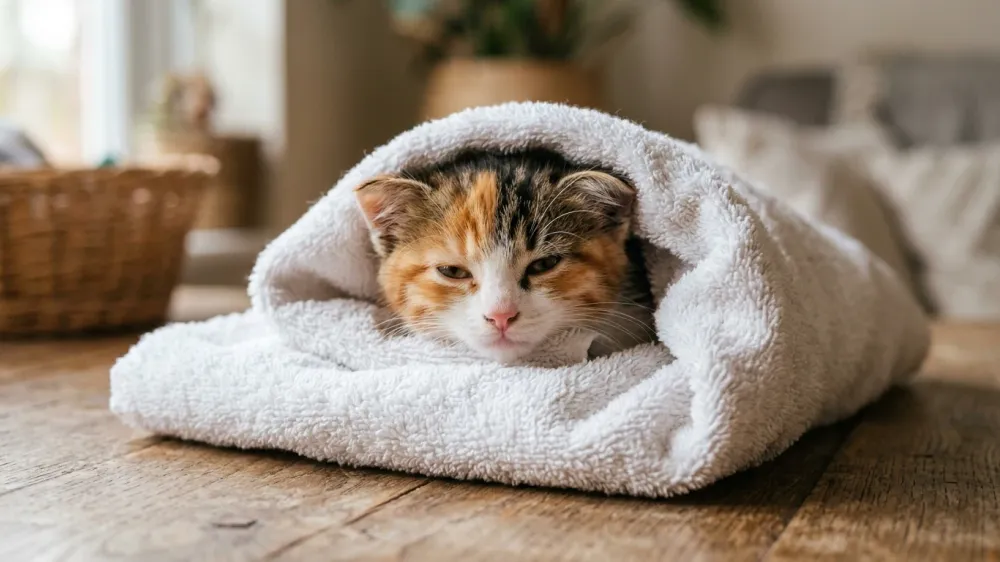
- Rinse and Dry: Rinse thoroughly to ensure no soap residue remains. Immediately wrap the kitten in a warm, dry towel and use a blow dryer on the lowest, coolest setting (or brisk towel drying) until they are completely dry.
⚠️ Safety Warning: Never use “flea shampoo” on a kitten under 12 weeks of age. These products often contain pyrethrins or essential oils like peppermint or clove which are toxic to young cats.
Treating Kittens 8 Weeks and Older#
Once a kitten reaches the eight-week mark and weighs at least two pounds, you have more options. Pet care experts often recommend topical spot-on treatments that provide month-long protection. These medications work by entering the oil glands of the skin and killing fleas on contact or once they bite.
Always consult a professional to determine the correct dosage. While you are managing flea treatments, it is also an ideal time to review the kitten vaccination schedule to ensure your pet is protected against other common feline illnesses. Fleas can stress the immune system, making it even more important to keep up with routine preventative care.
Sanitizing the Environment#
Treating the kitten is only 50% of the battle. Fleas spend most of their life cycle in your carpets, bedding, and furniture as eggs, larvae, and pupae. If you do not treat the home, the kitten will be re-infested within days.
- Vacuum Daily: Vacuuming not only removes eggs but the heat and vibration encourage flea pupae to emerge from their cocoons, making them easier to kill. Empty the vacuum canister or bag outside immediately.
- High-Heat Washing: Wash all pet bedding, rugs, and your own linens in hot water. Dry them on the highest heat setting possible for at least 30 minutes.
- Limit Access: If you have other pets, they must be treated simultaneously. If you are currently working on how to introduce a kitten to an older cat, keep them separated during the flea treatment phase to prevent cross-contamination.
Expert Tips for Difficult Infestations#
In some cases, manual combing and cleaning aren’t enough to break the flea life cycle. If the infestation persists, consider using an Insect Growth Regulator (IGR). These are products that mimic natural hormones in fleas to prevent eggs from hatching and larvae from maturing. Many pet-safe indoor sprays contain IGRs that can be used on carpets and upholstery while the pets are out of the room.
💡 Pro Tip: If you see a flea on the kitten’s face during a bath, use a cotton swab dipped in a tiny bit of soapy water or petroleum jelly to gently pick it off. Do not submerge the kitten’s head underwater.
💡 Related Guide: Intense flea itching can cause secondary alopecia and scabbing; read our diagnostic guide on why is my kitten losing hair in patches.
💡 Related Guide: Explore our in-depth guide on How to Safely Remove Dried Food and Milk From Kitten Fur.
Frequently Asked Questions#
Can I use essential oils to treat kitten fleas?#
No. Many essential oils, including tea tree, peppermint, and citrus oils, are highly toxic to cats. Kittens have a limited ability to process these compounds through their liver, and skin contact or inhalation can lead to serious health complications.
Can I use my dog’s flea medication on my kitten?#
Never. Dog flea treatments often contain permethrin, which is safe for dogs but deadly for cats. Even a small amount of a dog-specific product can cause life-threatening tremors and seizures in a kitten.
How often should I comb my kitten for fleas?#
During an active infestation, you should comb the kitten twice daily. This helps catch newly hatched fleas before they have a chance to lay more eggs. Once the infestation is under control, weekly combing is a good preventative measure.
Summary: The Kitten Flea Action Plan#
To effectively and safely eliminate fleas, follow this structured timeline to ensure no stage of the flea life cycle is missed:
- Immediate Relief: Use a fine-tooth flea comb to remove adult fleas. For kittens under 8 weeks, perform a gentle dish soap bath with a neck ring to prevent head migration.
- Consult an Expert: If the kitten is over 8 weeks, obtain a weight-appropriate topical treatment recommended by a pet care expert.
- Internal Check: Monitor for signs of tapeworms or anemia. Ensure the kitten stays on their kitten vaccination schedule.
- Home Sanitization: Vacuum daily for at least 21 days and wash all bedding in hot water.
- Long-Term Prevention: Maintain a monthly preventative schedule for all pets in the household to prevent future outbreaks.