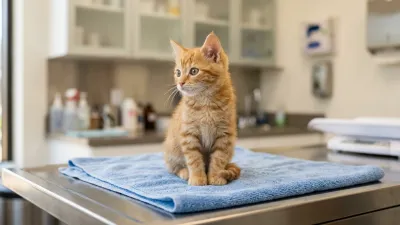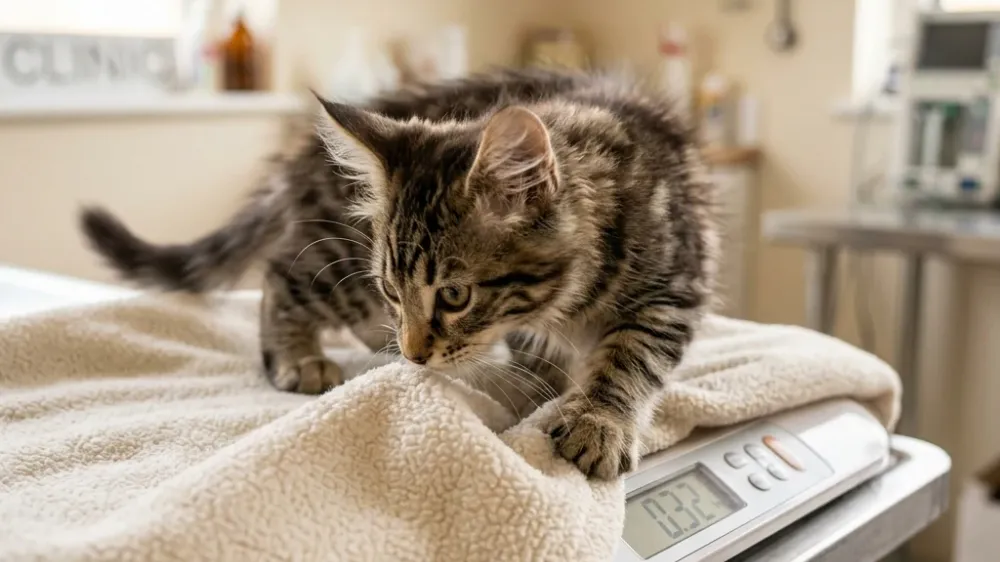
Kitten immunizations begin around 6 to 8 weeks of age and continue every 3 to 4 weeks until the kitten reaches 16 to 20 weeks old. Following a strict immunization timeline shields young cats from severe viral infections during their most vulnerable stage of development. Maternal antibodies received from mother’s milk wane early in life, leaving kittens exposed to environmental pathogens unless protected by timely boosters.
Establishing a comprehensive health calendar early helps your pet build long-term immunity. Similar to managing a puppy vaccination schedule guide, staying consistent with core shots and booster visits is necessary for preventing illnesses.
📋 In This Guide
Core vs. Non-Core Kitten Vaccines#
Veterinary health guidelines divide feline immunizations into two main categories: core vaccines, which every kitten must receive, and non-core vaccines, which depend on individual risk factors, location, and lifestyle.
Core Vaccines#
Core vaccines protect against widespread, highly contagious diseases that carry high rates of severe illness or mortality. Every kitten requires these shots regardless of whether they live strictly indoors or spend time outside.
- FVRCP Combination Vaccine: Protects against three distinct viruses: Feline Viral Rhinotracheitis (herpesvirus-1), Feline Calicivirus, and Feline Panleukopenia (feline distemper).
- Rabies Vaccine: Protects against the fatal rabies virus. Rabies immunization is required by law in most jurisdictions due to public health risks.
Non-Core Vaccines#
Non-Core vaccines are recommended based on your kitten’s exposure risk, outdoor access, and household environment.
- Feline Leukemia Virus (FeLV): Protects against a dangerous retrovirus transmitted through bite wounds and grooming. Major feline health organizations recommend FeLV vaccination for all kittens, followed by an assessment at one year of age based on ongoing outdoor access.
- Chlamydia felis & Bordetella bronchiseptica: Recommended primarily for high-density environments like shelters, catteries, or foster homes experiencing active outbreaks.
First-Year Kitten Vaccination Timeline#
The standard protocol spreads immunizations across four main appointments during your kitten’s first 12 months. Booster intervals are vital because residual maternal antibodies can interfere with vaccine effectiveness if shots are administered too far apart or ended too early.
| Kitten Age | Recommended Vaccines | Purpose & Protection |
|---|---|---|
| 6 - 8 Weeks | FVRCP (Shot #1), Deworming | Initial protection against distemper and respiratory viruses. |
| 10 - 12 Weeks | FVRCP (Shot #2), FeLV (Shot #1) | First booster for core protection; defense against feline leukemia. |
| 14 - 16 Weeks | FVRCP (Shot #3), FeLV (Shot #2), Rabies | Completes initial core series; confers legal rabies immunity. |
| 1 Year Booster | FVRCP Booster, Rabies 1-Year Booster | Consolidates adult immunity; transitions to 1-year or 3-year schedules. |
Detailed First-Year Immunization Schedule#
6 to 8 Weeks: Initial Protection#
During their first clinic visit, kittens receive their first FVRCP dose. At this age, passive immunity provided by maternal colostrum begins to decline. Parasite screening is also important at this point; young animals routinely require intestinal parasite treatments, much like the guidelines outlined in our puppy deworming schedule by age.
10 to 12 Weeks: Expanding Immunity#
The second visit includes the first FVRCP booster to reinforce immune memory. If your kitten will ever go outdoors, live with outdoor cats, or visit boarding facilities, receiving the first Feline Leukemia (FeLV) dose during this window is highly recommended.
14 to 16 Weeks: Final Kitten Boosters#
This appointment marks the completion of the initial kitten series. Receiving the third FVRCP shot between 14 and 16 weeks ensures that maternal antibodies no longer interfere with the vaccine. The Rabies vaccine is typically administered during this visit in accordance with local regulations.
Just like learning when puppies get their first shots, tracking these exact week intervals prevents gaps in coverage that could leave your young pet susceptible to infection.
1 Year Old: Adult Boosters#
One year after completing the initial series, adult booster shots consolidate long-term protective immunity. After this 1-year milestone, your healthcare provider may transition your cat to a three-year rotation for FVRCP and Rabies boosters depending on the local product approvals.
💡 Pro Tip: Schedule veterinary appointments during quiet clinic hours early in the morning. Reducing wait time in busy lobbies keeps stress low for young kittens experiencing their first car rides and clinical examinations.
Managing Stress and Vet Visit Preparation#
Clinical appointments can be stressful for young animals. Early socialization to travel carriers, gentle handling, and calm environments helps establish positive veterinary experiences for life.
Acclimatize your kitten to their transport crate days before the appointment by placing soft bedding, treats, and toys inside with the door left open. Utilizing synthetic calming pheromones can lower travel-related anxiety.
Using a product like the Feliway Classic Starter Kit inside your home and spraying travel carriers 15 minutes before departure reduces nervous behaviors during clinic transit. Minimizing stress during medical appointments ensures smoother examinations and accurate clinical evaluations.
Normal Vaccine Reactions vs. Emergency Signs#
Most kittens tolerate immunizations well. Mild, temporary side effects are normal as the immune system responds to the vaccine antigen and builds antibodies.
Expected Mild Reactions (24 - 48 Hours)#
- Mild lethargy or sleeping more than usual
- Slight decrease in appetite
- Minor tenderness or a small, firm bump at the injection site
- Low-grade fever
⚠️ Safety Warning: Seek immediate emergency veterinary care if your kitten exhibits severe allergic reactions within hours of vaccination, such as persistent vomiting, facial swelling, severe hives, sudden collapse, or difficulty breathing.
Multi-Pet Households and Safety Guidelines#
When introducing a new kitten into a household with existing pets, proper health protocols prevent cross-contamination. Unvaccinated kittens should remain quarantined from other animals until they have completed at least two rounds of core immunizations.
In households with both dogs and cats, safety rules extend beyond viral management. Ensure young pets are kept away from dangerous chewables, and review protocols such as what to do if your puppy eats a sock to keep all pets safe from accidental ingestion hazards. Additionally, maintain structured nutritional routines like an age-appropriate feeding schedule for young animals to prevent food competition and digestive upset.
💡 Related Guide: Transporting your pet securely to vaccine appointments is essential; see what type of kitten carrier is best for vet visits to choose the safest carrier.
Frequently Asked Questions#
Do strictly indoor cats really need vaccines?#
Yes. Viruses like feline distemper (panleukopenia) are exceptionally hardy and can be tracked indoors on shoes, clothing, or carrier equipment. Most regions also legally require rabies vaccination regardless of indoor status because bats or other wildlife can enter homes.
What happens if my kitten misses a booster appointment?#
If a booster is delayed by more than 2 to 3 weeks beyond the scheduled window, maternal antibodies or waning immunity may require restarting the booster series. Consult your pet care professional promptly to recalibrate the timeline.
How much do kitten vaccine appointments typically cost?#
Costs vary by location and clinic structure, but initial visits generally run between $50 and $150 per appointment, which often includes the physical exam, core vaccines, and routine parasite screenings.
Summary: First-Year Kitten Immunization Action Plan#
Protecting your kitten during their first year requires an organized calendar, timely clinical visits, and proactive stress management. Begin the core series at 6 to 8 weeks of age, maintain boosters every 3 to 4 weeks until 16 weeks old, and complete the 1-year adult booster to lock in lifelong immunity. Combining strict vaccination timing with proper quarantine practices and stress reduction tools ensures your young pet stays healthy, confident, and resilient.