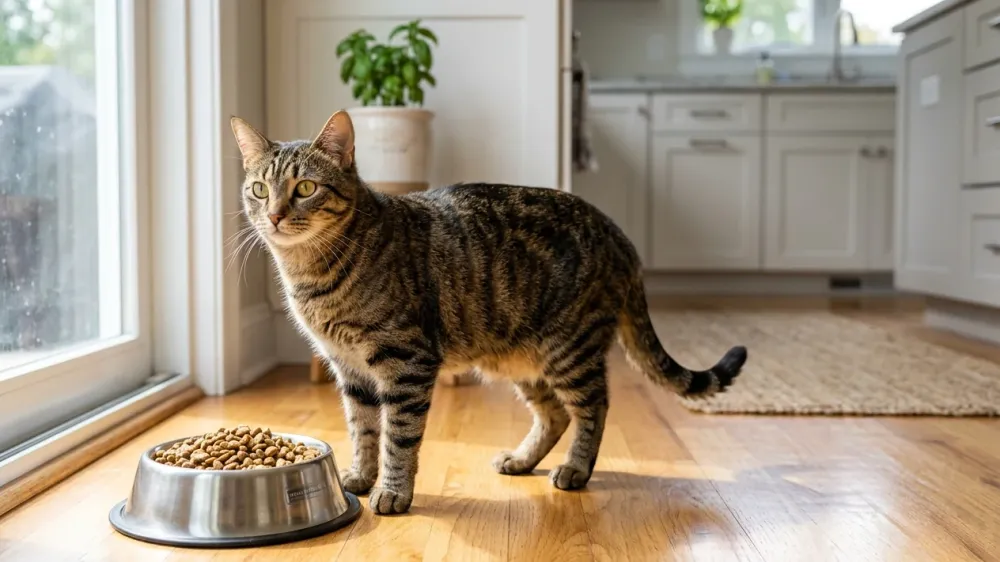
Transitioning a kitten to adult cat food typically happens at the 12-month mark, though individual growth rates and breed characteristics influence the specific timing. Feeding a high-calorie growth diet for too long often leads to unhealthy weight gain. Conversely, switching to maintenance food too early can deprive a developing cat of the protein and minerals needed for sturdy bone structures.
Most domestic cats reach approximately 80% to 90% of their full skeletal size by their first birthday. At this stage, their metabolism begins to slow down as the energy requirements for growth decrease. Identifying this shift is the first step in ensuring your pet maintains a healthy body condition throughout its adult life.
📋 In This Guide
Growth Milestones and Nutritional Timing#
Kittens require a dense concentration of calories, fats, and proteins to support their rapid development. During the first year, their bodies are busy building muscle, strengthening bones, and developing cognitive functions. If you observe your kitten’s growth closely, you will notice distinct physical milestones that signal they are nearing adulthood.
Physical markers like the completion of teething are helpful indicators of maturity. By six months, most kittens have already gone through the process of losing their primary teeth. Understanding when kittens lose their baby teeth helps you track their development, but teeth alone do not mean they are ready for adult kibble. They still require the specific calcium-to-phosphorus ratios found in kitten formulas until their growth plates fully close.
As your kitten matures, you must also consider their overall health profile. Before making a major dietary change, ensure your pet is free from internal parasites that could affect nutrient absorption. Learning how to tell if a kitten has worms is a vital skill for any owner, as a heavy parasite load can mimic the signs of nutritional deficiency or cause stunted growth.
Breed Specific Transitions#
While the 12-month rule applies to most cats, large-breed cats like Maine Coons, Ragdolls, and Norwegian Forest Cats grow much slower. These breeds may continue to develop their skeletal structure until they are three or four years old. For these large cats, pet care experts often recommend staying on a growth-focused diet for 18 to 24 months.
| Cat Breed Type | Typical Transition Age | Growth Completion |
|---|---|---|
| Standard Domestic | 12 Months | 12 - 15 Months |
| Siamese / Oriental | 10 - 12 Months | 12 Months |
| Maine Coon | 18 - 24 Months | 3 - 5 Years |
| Ragdoll | 12 - 18 Months | 3 - 4 Years |
| Persian | 12 Months | 15 Months |
Smaller or more slender breeds may reach maturity slightly faster. However, it is always safer to provide high-quality growth nutrients for a few extra months than to cut them off too early. If you notice your cat is gaining a significant amount of abdominal fat while still on kitten food, it is a clear sign to begin the transition.
Why Adult Cats Need Different Nutrition#
Adult cat food is formulated for maintenance rather than growth. Kitten food often contains significantly more protein and fat to fuel their high energy levels and “zoomies.” Once a cat reaches adulthood, these extra calories are no longer utilized for building tissue and instead get stored as fat.
Adult formulas also feature different vitamin and mineral balances. For example, excessive calcium is necessary for a growing kitten but can contribute to urinary issues in some adult cats. The transition to adult food is also a great time to evaluate your feeding methods. Many owners choose between wet vs dry kitten food early on, but an adult diet allows for more variety in textures and specialized formulas for indoor living or hairball control.
💡 Pro Tip: If your cat was spayed or neutered early, their metabolism may slow down sooner than an intact cat. Monitor their weight closely around the 6-to-9-month mark, as you may need to reduce portions even before you officially switch to adult food.
The Impact of Spaying and Neutering#
Sterilization is a major factor in determining when to switch kitten to adult cat food. Neutering or spaying a kitten can reduce their energy requirements by up to 30% almost immediately. This metabolic shift occurs because the body no longer spends energy on reproductive hormones and behaviors.
Pet care experts frequently observe that fixed kittens gain weight faster than their intact counterparts. If your kitten was fixed at six months, you do not necessarily need to switch to adult food right away, but you must be vigilant about portion control. You might consider a “young adult” formula or slightly reducing the daily intake of their kitten food until they reach the 12-month milestone.
How to Transition: The 7-Day Plan#
A sudden change in diet can lead to gastrointestinal upset, vomiting, or diarrhea. The feline digestive system is sensitive to changes in protein sources and fiber levels. To prevent issues, use a structured 7-day transition plan to mix the old and new food.
- Days 1-2: Serve 75% kitten food mixed with 25% adult food.
- Days 3-4: Serve a 50/50 mix of kitten and adult food.
- Days 5-6: Serve 25% kitten food mixed with 75% adult food.
- Day 7: Serve 100% adult food.
If your cat shows signs of pickiness or stomach upset, slow the process down. Some cats may need 10 to 14 days to fully adjust to the new flavors and nutrient density. During this time, avoid giving human scraps or dairy. We have previously detailed why kittens should not drink cow milk, and this rule remains important during the transition to ensure their digestion stays stable.
Monitoring the Results#
Once the transition is complete, your job is to monitor your cat’s response to the new diet. Look for a shiny coat, clear eyes, and consistent energy levels. Their stool should be firm and regular. If you notice a dull coat or lethargy, the adult food may not be providing the right balance of fatty acids or protein for your specific cat.
⚠️ Safety Warning: Obesity is one of the most common health issues in adult cats. If you can no longer easily feel your cat’s ribs under a thin layer of fat, they are likely consuming too many calories. Adjust their daily portions immediately.
💡 Related Guide: Explore our in-depth guide on Calcium to Phosphorus Ratio in Kitten Food Explained.
Frequently Asked Questions#
Can I switch my kitten to adult food at 6 months?#
Generally, 6 months is too early for a full switch. Kittens are still experiencing significant bone and muscle growth at this age. However, if your kitten is struggling with obesity after being neutered, you should consult an expert about reducing calories or using a specialized formula rather than switching to standard adult food prematurely.
What if my kitten refuses to eat the adult food?#
Cats are notoriously sensitive to texture and smell. If your kitten rejects the new food, try mixing in a small amount of wet food or warm water to enhance the aroma. You can also experiment with different protein sources, such as switching from chicken-based to fish-based formulas, to see which your cat prefers.
Should I keep feeding kitten food if my cat is still thin?#
If your cat is 12 months old but appears thin, they may have a higher metabolism or an underlying health issue. In this case, you can continue kitten food for a few more months or look for a high-calorie adult performance diet. Ensure they are properly screened for parasites before assuming it is just a high metabolism.
Summary: Kitten-to-Adult Action Plan#
To ensure a successful transition, follow these expert-approved steps:
- Verify Age: Aim for 12 months for standard breeds and 18-24 months for large breeds.
- Assess Condition: Check for a visible waist and palpable ribs to ensure they aren’t already overweight.
- Select Quality: Choose a high-quality adult formula that matches your cat’s lifestyle (e.g., indoor vs. active).
- Gradual Mix: Use the 7-day mixing schedule to protect their digestive health.
- Observe Stool: Watch for changes in bowel movements during the first two weeks of the new diet.
- Consult Experts: If your cat has specific health needs or persistent digestive issues, seek professional guidance on custom meal planning.