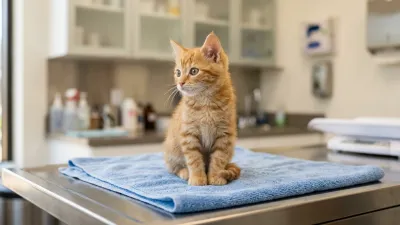
Fading kitten syndrome describes a critical medical emergency in which a newborn or young kitten rapidly deteriorates in health during the first nine weeks of life. Because neonatal kittens possess minimal metabolic reserves, recognizing early warning signs and taking emergency corrective steps within minutes can mean the difference between survival and loss. In rescue and breeding environments, prompt intervention combined with routine preventive protocols remains the most effective defense against this severe condition.
📋 In This Guide
What Is Fading Kitten Syndrome?#
Fading kitten syndrome is not a single disease entity, but rather a collection of severe symptoms pointing to an underlying failure to thrive. It most commonly occurs during the first week of life or during the weaning period between four and five weeks of age. During these developmental windows, a kitten’s immune system and metabolic controls are extremely fragile.
Underlying triggers range from infectious pathogens and congenital defects to environmental stresses such as hypothermia or inadequate nursing. Kittens experiencing gastrointestinal distress, such as severe kitten diarrhea, can dehydrate within hours, triggering a fading episode. Identifying these root issues quickly allows rescuers and caretakers to respond with targeted emergency protocols.
Early Warning Signs of Fading Kitten Syndrome#
Neonatal kittens change rapidly, which means subtle behavioral shifts are often the first sign of a life-threatening crisis. Experienced pet care experts look for specific indicators during daily wellness evaluations.
1. Weight Loss or Failure to Gain Weight#
Healthy kittens gain between 7 and 10 grams per day. A weight loss over a 24-hour period, or failure to gain weight over two consecutive days, is the single most reliable early warning sign of fading kitten syndrome.
2. Hypothermia and Cold Extremities#
Newborn kittens cannot regulate their own body temperature for the first three weeks of life. A fading kitten will feel cold to the touch, particularly on their ears, footpads, and mouth. As body temperature drops below 94 degrees Fahrenheit, normal reflexes cease.
3. Lethargy and Lack of Suckle Reflex#
A healthy kitten roots vigorously for food and nurses actively. Fading kittens become weak, lie separate from the litter, and lack the strength to grasp a nipple or bottle teat. They may appear limp when picked up.
4. Persistent Crying or Complete Silence#
Continuous, weak crying indicates pain, cold, or severe hunger. Conversely, an unusually quiet kitten that lies limp and fails to respond to handling requires immediate emergency intervention.
5. Respiratory and Ocular Signs#
Abnormal breathing patterns, such as gasping, shallow breathing, or mouth-breathing, indicate circulatory failure or respiratory illness. Kittens displaying symptoms like upper respiratory infection signs or experiencing severe kitten eye discharge and swelling are at an elevated risk of fading. If you observe your neonate breathing unusually fast while resting, assess their respiratory rate and temperature immediately.
| Assessment Parameter | Healthy Neonatal Kitten | Fading Kitten Warning Sign | Immediate Action Needed |
|---|---|---|---|
| Body Temperature | 95-101°F (age dependent) | Below 94°F (cold to touch) | Provide passive heat immediately |
| Daily Weight Gain | 7 to 10 grams daily | Zero gain or weight drop | Initiate supplemental feeding |
| Suckling Reflex | Strong, active rooting | Weak, non-existent grip | Administer dextrose to gums |
| Activity Level | Moves toward littermates | Isolated, limp, unresponsive | Emergency protocol activation |
Immediate Emergency Action Protocol#
When a kitten enters a fading state, rapid action is key. Follow this step-by-step emergency protocol before and during transport to an emergency veterinary clinic.
⚠️ Safety Warning: Never attempt to feed a cold kitten. Cold kittens cannot digest food because their digestive tract shuts down. Feeding a hypothermic kitten can cause fatal aspiration or severe gut bloating. Always warm the kitten first.
Step 1: Apply Slow Thermal Support#
Wrap the kitten in a warm, dry towel and place them on a low-temperature heating pad or against a warm water bottle. Keep their head uncovered to maintain clear airways. Never submerge a cold kitten in warm water, as rapid heating can cause cardiovascular shock.
Step 2: Boost Blood Sugar Levels#
Once the kitten’s body temperature begins to rise, address hypoglycemia. Rub a few drops of warm sugar water, Karo syrup, or dextrose solution directly onto their gums using a cotton swab or finger. Do not force liquids into the throat, as weak kittens can easily inhale fluid into their lungs.
Step 3: Provide Gentle Hydration and Nutrition#
After the kitten shows signs of warmth and improved responsiveness, offer small amounts of warm, specialized milk replacer. Proper nutrition provides the metabolic fuel necessary to maintain body heat and organ function.
Step 4: Seek Emergency Medical Evaluation#
Fading kitten syndrome often stems from bacterial infections, systemic inflammation, or underlying metabolic crises that require professional medical treatment. Veterinary clinicians can provide subcutaneous or intraosseous fluids, oxygen support, and targeted medications.
Prevention Strategies for Foster Caregivers and Breeders#
Preventing fading kitten syndrome requires strict management of the nursery environment, sanitation, and nutrition. Proactive monitoring catches minor health dips before they escalate into emergencies.
- Daily Weight Monitoring: Weigh every kitten twice daily on a digital gram scale at the same times each day. Record the weights in a tracking log to identify trends early.
- Environmental Temperature Control: Keep the nesting box at 85 to 90°F (29 to 32°C) during the first week, gradually lowering it to 80°F by week three. Use a digital thermometer inside the box to verify temperatures.
- Infection Control Protocols: Wash hands thoroughly before handling neonates and isolate any kitten that presents with infectious symptoms. If a littermate is sneezing frequently, separate them to prevent secondary bacterial infections across the litter.
- Cleanliness and Sanitation: Regularly sanitize bedding, feeding syringes, and bottles using pet-safe disinfectants to prevent bacterial overgrowth.
- Monitoring Maternal Care: Make sure the mother cat produces sufficient milk, does not show signs of mastitis, and accepts all kittens equally. Step in with bottle supplementation if a kitten is being crowded out by stronger littermates.
Can a kitten fully recover from fading kitten syndrome?#
Yes, kittens can fully recover if fading kitten syndrome is caught early and treated aggressively with thermal support, glucose, hydration, and medical care. Early action within the first few hours of symptom onset significantly increases survival rates.
How quickly does fading kitten syndrome progress?#
Fading kitten syndrome progresses rapidly, often within 2 to 12 hours. A kitten that appears slightly quiet in the morning can drop into a critical, comatose state by the afternoon if warning signs are overlooked.
When can a surviving kitten be safely spayed or neutered?#
Once a kitten successfully survives a fading episode and grows into a healthy, strong young cat, standard care milestones resume. Animal care standards generally recommend waiting until the kitten reaches at least two pounds in weight and complete physical health before scheduling surgical procedures. Read our detailed guide on when to get a kitten spayed or neutered for weight and health milestones.
Summary: Emergency Kitten Care Checklist#
To maximize survival rates when managing neonatal litters, keep this actionable checklist visible near your nesting area:
- Weigh Twice Daily: Log weight in grams every morning and evening; investigate any loss immediately.
- Warm First, Feed Second: Make sure the kitten’s body temperature is normal before offering milk or fluid.
- Keep Dextrose Nearby: Maintain Karo syrup or dextrose gel in your emergency kitten kit for instant sugar absorption through the gums.
- Maintain Hygiene: Disinfect bottles, scales, and hands between handling different kittens.
- Know Your Emergency Vet: Keep contact details and directions for the nearest 24-hour emergency facility ready before an issue arises.