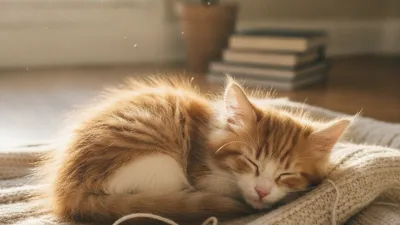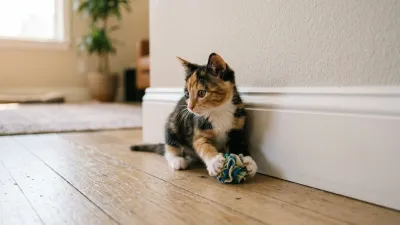
Introducing a kitten to water requires systematic desensitization, positive reinforcement, and patience long before a full bath is ever required. Starting this training between 8 and 16 weeks leverages your pet’s peak developmental window, turning what could be a traumatic event into a routine, low-stress activity.
Most adult cats maintain their own coats through grooming, but unexpected messes, sticky residue, or future medical dips make water tolerance a key life skill. Here is our step-by-step method to get your kitten accustomed to water safely and calmly.
📋 In This Guide
Why Early Water Desensitization Matters#
Felines naturally avoid submersion because wet fur becomes heavy, limits agility, and impairs body temperature regulation. When introduced abruptly, running water and slick basin surfaces trigger a flight-or-fight response.
By taking an incremental approach, you teach your pet that water is predictable and non-threatening. Early exposure works hand-in-hand with standard routines, such as when you socialize a shy kitten to new household environments. Controlled, gradual introductions eliminate panic and prevent dangerous scrambling that could lead to injury.
The 5-Phase Water Training Plan#
Never place an untrained kitten directly under a running faucet or into a full tub of water. Follow this gradual five-phase progression over two to three weeks.
Phase 1: Dry Basin Familiarization#
Before water enters the equation, your pet needs to feel physically secure in the bathing space. Use a small bathroom sink or a shallow plastic basin rather than a giant bathtub, which can feel intimidating.
- Place a rubber bath mat or folded damp towel at the bottom of the dry basin to provide stable traction.
- Set your kitten in the basin for 30 to 60 seconds.
- Offer high-value treats (like lickable puree treats) while they stand on the mat.
- Lift them out and reward them again.
- Repeat this twice daily until your kitten steps into the dry sink without hesitation.
Phase 2: Auditory and Visual Exposure#
Running water creates unfamiliar hiss and rush sounds that startle young animals. Counter-condition this sound before water ever touches their coat.
- Hold your kitten several feet away from the sink while a slow, warm trickle runs.
- Feed treats as the water runs in the background for 1 to 2 minutes.
- Turn the tap off before the session ends so they associate the sound with positive rewards.
- Gradually move closer to the sink over multiple mini-sessions as long as body language remains relaxed.
Phase 3: The Damp Washcloth Method#
Once the sound of running water is accepted, introduce moisture gradually without submersion.
- Wet a soft washcloth with warm (not hot) water and wring it out completely.
- Gently wipe your kitten along their back and flanks using long, smooth strokes that mimic a mother cat’s grooming.
- Reward continuously with treats or verbal praise.
- Avoid the face and ears entirely during early sessions.
💡 Pro Tip: Test water temperature on your inner wrist before touching your kitten. Water should feel lukewarm (roughly 100 to 102 degrees Fahrenheit), matching their natural core body temperature. Cold water causes hypothermia quickly, while hot water easily burns delicate skin.
Phase 4: Paw-Level Water Wading#
Now you can introduce actual standing water in a shallow, controlled environment.
- Fill the basin with just half an inch of warm water before bringing your kitten into the room. Avoid running the tap while they are inside the basin.
- Make sure the non-slip traction mat is securely at the bottom.
- Gently lower your kitten into the water so only their paw pads are submerged.
- Keep the session under 60 seconds while dispensing treats.
- Remove them, wrap them in a warm towel, and reward immediately.
Phase 5: The First Gentle Rinse#
When your kitten stands calmly in shallow water, you can attempt a light body rinse.
- Use a small plastic cup to pour warm water slowly over their shoulders and back.
- Keep one hand gently supporting their chest to provide security.
- Avoid pouring water over the head or near the ear canals.
- If your pet shows mild stress, redirect them with treats. If they show active panic, end the session immediately and drop back to Phase 3 for the next attempt.
Using a gentle, tear-free shampoo is critical when transitioning to full baths. Harsh human soaps or adult pet formulas strip the natural lipid barrier from young skin, causing dryness and itching.
| Phase | Primary Goal | Recommended Duration | Success Indicator |
|---|---|---|---|
| Phase 1: Dry Basin | Grip and location confidence | 1-2 minutes | Relaxed posture, eating treats willingly |
| Phase 2: Water Sound | Acoustic desensitization | 2-3 minutes | No ear flattening or flight attempt |
| Phase 3: Damp Cloth | Tactile moisture acceptance | 2-4 minutes | Purring or leaning into the strokes |
| Phase 4: Paw Dip | Standing in 0.5-inch water | 1-2 minutes | All four paws flat on traction mat |
| Phase 5: Light Rinse | Full body tolerance | 3-5 minutes | Calm vocalizations, accepting food |
Key Safety and Prep Guidelines#
Preparation prevents chaotic bath sessions. Setting up your supplies in advance keeps the bath swift and minimizes the kitten’s chill time.
- Trim Nails in Advance: Trim sharp claw tips a day prior to water training. If your pet tends to use their claws defensively, review how to stop kitten biting and scratching using structured boundary training.
- Warm Towel Station: Prepare two thick, dry towels before wetting your pet. Placing one towel in the dryer for a few minutes helps a cozy transition post-bath.
- Ear Protection: Never spray water near a kitten’s ears. Trapped moisture inside the ear canal can trigger painful bacterial or yeast infections.
- Maintain Solid Traction: Cats panic primarily when they lose physical footing. Never attempt a bath on bare porcelain, fiberglass, or stainless steel.
⚠️ Safety Warning: Kittens lose body heat rapidly when wet. Never air-dry a kitten in a cool room, near drafty windows, or with an air conditioner running. Wrap them securely in a towel until they are thoroughly dry, and avoid loud hair dryers unless your pet has been specifically desensitized to the noise.
What to Do If Your Kitten Panics#
If your kitten begins thrashing, vocalizing in distress, or attempting to climb your arms, immediately stop the session. Forcing a terrified animal through a bath creates deep negative associations that can take months to reverse.
Lift them out smoothly with a towel, bundle them warmly, and speak in a calm, neutral tone. Do not scold or punish. Allow them to dry off completely in a secure, warm room. When training resumes several days later, step back to the last phase where they were completely relaxed.
Consistent handling during daily routines, like when you litter train a kitten, builds overall trust that makes grooming tasks significantly smoother over time.
Frequently Asked Questions#
How often do kittens actually need baths?#
Most short-haired kittens rarely need routine baths because self-grooming keeps their coat clean. Bathing is generally reserved for situations involving sticky messes, dirt, fleas, or loose stools. Practicing mock baths every few weeks during kittenhood helps they remain cooperative whenever an actual bath becomes necessary.
Can I use human baby shampoo on my kitten?#
No. Human skin has a significantly more acidic pH (around 5.5) compared to feline skin (which is closer to neutral, around 6.5 to 7.5). Baby shampoos disrupt the natural skin barrier, leading to dry skin, flaking, and vulnerability to bacterial irritation. Always choose a designated cat-safe, tearless kitten formula.
What is the best way to dry a kitten after a bath?#
Towel drying is the safest method. Wrap your kitten burrito-style in a pre-warmed towel and gently press moisture out of the coat without vigorous rubbing. Swap to a second dry towel once the first becomes damp, and keep your kitten in a warm, enclosed room until the coat is completely dry.
Summary: The Kitten Water Desensitization Checklist#
To build lifelong bath tolerance, maintain a slow and methodical pace:
- Build basin comfort first: Establish footing with non-slip mats before running any water.
- Isolate sensory inputs: Separate the sound of rushing water from the physical feeling of wetness.
- Use lukewarm temperatures: Match water heat to feline body temperature (100 to 102 degrees Fahrenheit).
- Reward every micro-step: Pair each small victory with high-value treats to create positive emotional associations.
- Dry promptly and thoroughly: Prevent hypothermia with warm towels and draft-free drying spaces.