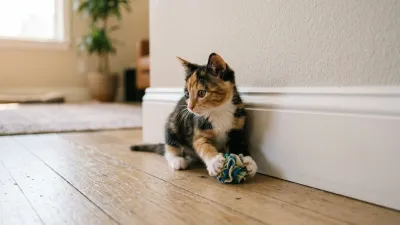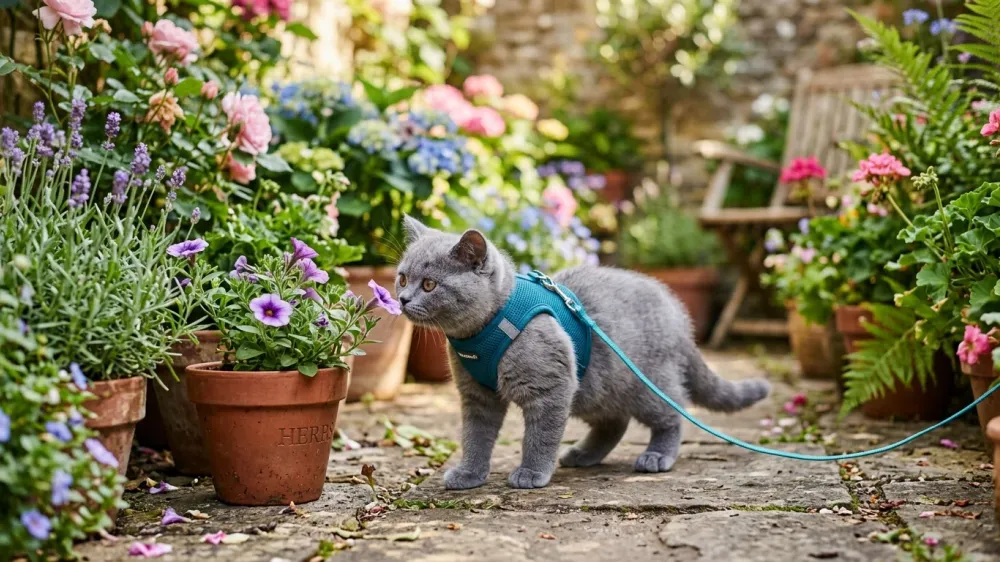
Harness training a kitten expands their world while keeping them safe from local wildlife and traffic. Unlike adult cats, kittens are highly adaptable, making this the ideal window to introduce walking gear. Success depends on patience, high-value rewards, and correctly fitted equipment.
Pet care experts recommend starting this process as early as eight to ten weeks old. At this age, kittens are in a prime socialization period where they accept new experiences more readily. Training provides essential mental stimulation and builds a stronger bond between you and your new pet.
📋 In This Guide
Selecting the Right Equipment for Your Kitten#
Before you begin, you must choose a harness specifically designed for feline anatomy. Kittens have flexible shoulders and can easily slip out of a standard dog harness. A vest-style harness is generally the safest option as it distributes pressure evenly across the chest and shoulders.
When shopping for a harness, look for lightweight, breathable mesh materials. Heavy straps or bulky buckles can overwhelm a small kitten and lead to a negative association with the gear. Ensure the lead is lightweight as well, as a heavy clip can pull uncomfortably on a small kitten’s back.
Harness Type Comparison#
| Harness Type | Best For | Pros | Cons |
|---|---|---|---|
| Vest / Jacket | Beginners | Harder to escape, even pressure | Can be hot in summer |
| H-Harness | Experienced Cats | Minimal coverage, very adjustable | Easier to slip out of if poorly fitted |
| Step-In | Calm Kittens | Easy to put on | Can be restrictive around the front legs |
Phase 1: Creating Positive Associations#
Your first goal is to make the harness appear as a source of rewards. Place the harness on the floor near your kitten’s favorite sleeping spot or food bowl. Let them sniff it, bat it around, and explore it at their own pace. Do not try to put it on them during this initial introduction.
Every time they interact with the harness, offer a high-value treat like a lickable cat snack or a small piece of plain cooked chicken. This stage ensures they view the gear as a “treat magnet” rather than a scary object. Consistency is key during these early steps of kitten training.
💡 Pro Tip: Rub a soft cloth on your kitten’s cheeks and then rub that cloth on the harness. This transfers their own scent to the gear, making it smell familiar and safe.
Phase 2: Mastering the Fit Indoors#
Once your kitten is comfortable with the presence of the harness, it is time for a trial fitting. Choose a time when your kitten is calm and relaxed, perhaps after a play session to burn off the kitten night zoomies. Gently place the harness over their head or against their chest without buckling it.
Immediately provide treats and verbal praise. If they seem comfortable, buckle the straps. The fit should be snug but not tight; you should be able to fit two fingers between the harness and your kitten’s body. If the kitten “freezes and flops” or refuses to move, do not panic. This is a natural instinctual response to feeling pressure on their back.
The Fitting Checklist#
- Check the neck and chest straps for the “two-finger rule.”
- Ensure the harness does not rub against the armpits.
- Watch for any signs of skin irritation or restricted movement.
- Keep the first wearing session under 60 seconds.
Phase 3: Walking Indoors on a Lead#
After your kitten can walk, play, and eat while wearing the harness, attach the lead. Let the lead trail behind them while they move around a secure, familiar room. Supervise them closely to ensure the lead does not get caught on furniture.
Once they are used to the weight of the lead, pick up the handle. Do not pull or try to lead them yet. Simply follow them wherever they go, keeping the line slack. This teaches them that being attached to you is a safe experience. This is a great time to also ensure they are comfortable with other basics like litter box training.
⚠️ Safety Warning: Never leave a kitten unattended while they are wearing a harness or attached to a lead. They can easily become entangled, leading to injury or extreme distress.
Phase 4: Taking the First Steps Outside#
Transitioning to the outdoors is a major milestone. Choose a quiet, fenced-in area for the first outing. Avoid busy streets, loud noises, or areas where strange dogs might appear. Start by just sitting outside with your kitten in your lap or right next to the door.
Let the kitten decide when to step onto the grass or pavement. Some kittens will be bold explorers, while others may take several sessions just to step past the threshold. If your kitten becomes overwhelmed, pick them up and go back inside immediately. We want every outdoor experience to end on a positive note.
If you have other pets, ensure you have already followed the steps for how to introduce a kitten to an older cat so that your outdoor time does not cause tension between the animals when you return.
Troubleshooting Common Training Challenges#
The Kitten Flop: Many kittens will fall over as if they have forgotten how to walk. This is a sensory response. Distract them with a feather toy or a moving treat to encourage them to take a few steps. Once they realize they can move, the flopping usually stops.
Escaping the Harness: If your kitten manages to back out of the harness, you likely have a fit issue or are using an H-harness instead of a vest. Always ensure the chest strap is secure. When walking, try to keep the lead at a 45-degree angle behind the kitten to prevent them from backing out.
Constant Meowing at the Door: Once trained, some kittens may demand to go outside constantly. Stick to a predictable schedule for walks so they learn when to expect outdoor time and when to settle down inside.
Summary: 5-Step Kitten Harness Success Plan#
- Scent Introduction (Days 1-3): Leave the harness near food and bedding. Use treats to build positive associations.
- Short Fittings (Days 4-7): Put the harness on for 1-5 minutes at a time. Offer high-value rewards while they wear it.
- Indoor Exploration (Days 8-10): Let the kitten play and eat while fully harnessed. Use toys to encourage movement.
- Lead Introduction (Days 11-14): Attach the lead and follow the kitten around the house. Practice gentle guidance.
- Outdoor Discovery (Day 15+): Begin with 5-minute sessions in a quiet, secure outdoor space.
💡 Related Guide: Carrier conditioning prevents transit anxiety; learn how to crate train a kitten for stress-free travel using gradual positive associations.
💡 Related Guide: Prevent dangerous escapes by learning how to teach a kitten not to dart out open doors through door boundary conditioning.
💡 Related Guide: Before starting outdoor training, compare gear in our kitten harness styles comparison (jacket vs webbing) to ensure an escape-proof fit.
Frequently Asked Questions#
What age can I start harness training a kitten?#
Most trainers recommend starting as soon as the kitten is comfortable in your home, typically around 8 to 10 weeks of age. Early exposure leads to much faster acceptance of the gear compared to starting with an adult cat.
How do I know if the harness is too tight?#
You should be able to fit two fingers comfortably between the harness material and your kitten’s fur. If the harness is too tight, it will restrict movement and cause distress; if it is too loose, the kitten may slip their front legs out and escape.
My kitten goes limp when I put the harness on. What should I do?#
This is a common reaction. The pressure of the harness mimics the sensation of a mother cat picking up a kitten by the scruff, causing them to go still. Use a high-value treat or a favorite toy to lure them into taking a few steps. Usually, they forget about the sensation once they start moving.