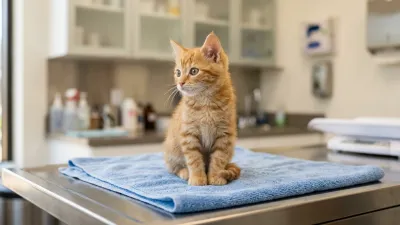
Taking a kitten’s temperature at home gives you immediate insight into their health, especially when dealing with lethargy, poor appetite, or suspected illness. A kitten’s body temperature runs higher than a human’s, and young kittens cannot regulate their internal heat efficiently. Knowing how to get a fast, accurate reading without causing stress or injury is a key pet care skill.
📋 In This Guide
Normal Kitten Temperature by Age#
A kitten’s baseline body temperature changes significantly during their first several weeks of life. Newborns rely entirely on external heat sources, whereas older kittens stabilize around adult feline averages.
| Age Stage | Normal Temperature Range | Critical Action Threshold |
|---|---|---|
| Newborn (0 to 1 Week) | 95.0°F to 98.0°F (35.0°C to 36.7°C) | Below 94°F or above 99°F |
| 2 to 3 Weeks | 97.0°F to 100.0°F (36.1°C to 37.8°C) | Below 96°F or above 101°F |
| 4 Weeks & Older | 100.5°F to 102.5°F (38.1°C to 39.2°C) | Below 99°F or above 103.5°F |
A reading above 103.5°F indicates a fever, often caused by infection, inflammation, or severe stress. A reading below 99°F in a weaned kitten signals hypothermia, which is an immediate medical emergency that requires prompt warming and veterinary attention.
Key Supplies for a Home Temperature Check#
Gathering all necessary tools beforehand prevents mid-process delays and keeps the kitten calm throughout the procedure.
- Digital Thermometer: Use a digital rectal thermometer with a flexible tip and a quick read time (under 10 to 20 seconds). Never use a glass mercury thermometer, as sudden movement can cause breakage.
- Water-Based Lubricant: Petroleum jelly, sterile surgical lubricant, or standard water-soluble personal lubricant (KY Jelly). Never insert a dry thermometer.
- Soft Bath Towel: Key for safely swaddling an uncooperative kitten.
- Rubbing Alcohol and Cotton Pads: For sanitizing the probe before and after use.
- High-Value Treats or Puree: To create a positive association after the reading.
⚠️ Safety Warning: Never force the thermometer if you encounter resistance. Forcing the probe can cause painful rectal tears or internal trauma. If the kitten thrashes violently, pause, soothe them, and try again with gentle restraint.
Step-by-Step Guide: How to Take a Kitten’s Rectal Temperature#
Rectal measurement remains the gold standard for clinical accuracy. Follow these exact steps to support safety and comfort.
Step 1: Prepare the Thermometer#
Disinfect the thermometer probe with a cotton pad soaked in rubbing alcohol, then let it air dry completely. Apply a generous dab of water-based lubricant to the metal tip and the first inch of the probe.
Step 2: Restrain the Kitten Gently (The Purrito Method)#
If you have a helper, have them hold the kitten facing forward against a table or their chest, supporting the chest and forepaws while gently lifting the base of the tail.
If you are alone, wrap the kitten snugly in a soft towel with only their rear exposed, commonly called a kitten burrito or “purrito.” This prevents scratching and minimizes frantic movement. If you are handling a timid rescue, our guide on how to socialize a shy or feral kitten covers additional gentle handling techniques to build trust.
Step 3: Insert the Thermometer Probe#
Turn on the digital thermometer and make sure it displays a ready status. Lift the tail gently by the base:
- Angle the lubricated probe so it stays parallel to the kitten’s spine.
- Insert the tip into the anal opening with a slow, slight twisting motion.
- Insert only 1/2 inch for kittens under 8 weeks old, and no more than 1 inch for older kittens.
- Hold the thermometer firmly in place while steadying the kitten’s pelvis so they cannot back up or sit down.
💡 Pro Tip: Talk to the kitten in a soft, steady voice while holding the thermometer. Kittens pick up on human tension; staying calm and relaxed keeps their muscles from clenching during insertion.
Step 4: Record the Reading and Reward#
Wait until the thermometer beeps. Carefully withdraw the probe straight back without tilting it. Note the temperature reading and the exact time of day.
Wipe the probe clean with a tissue, then sanitize it thoroughly with rubbing alcohol. Immediately reward the kitten with an engaging play session, a warm lap cuddle, or a lickable treat to preserve a positive bond.
Are Ear (Tympanic) Thermometers a Good Alternative?#
Infrared pet ear thermometers offer a non-invasive alternative, but they come with trade-offs in accuracy.
- Pros: Fast, stress-free for sensitive cats, zero risk of rectal injury.
- Cons: Readings can vary based on probe placement, ear canal curvature, or built-up ear wax. Ear readings often read 1.0°F to 1.5°F lower than core body temperature.
If using an ear thermometer, take three consecutive readings to find an average, and verify abnormal results with a rectal check if precision is necessary.
Common Causes of Abnormal Temperature in Kittens#
Recognizing why a kitten’s body temperature is fluctuating helps you determine the correct course of action.
Potential Causes of Fever (Above 103.5°F)#
- Viral Infections: Feline panleukopenia, calicivirus, or herpesvirus.
- Bacterial Infections: Abscesses, respiratory infections, or urinary issues.
- Parasitic Infestation: Severe parasite loads can trigger inflammatory reactions. Learn how to tell if a kitten has worms or review our guide on how to treat kitten fleas safely to rule out common culprits.
- Post-Surgery Reaction: A mild elevation can occur after routine procedures. Keep a close eye on recovery timelines, especially when to get a kitten spayed or neutered.
Potential Causes of Hypothermia (Below 99°F)#
- Environmental Exposure: Cold drafts, damp bedding, or lack of motherly warmth.
- Dehydration and Malnutrition: Inability to nurse or digest food properly.
- Sepsis: Overwhelming infection that causes systemic collapse.
💡 Related Guide: When providing supplemental warmth to cold kittens, strictly adhere to heating pad safety guidelines for orphan kittens to prevent thermal burns.
Frequently Asked Questions#
Can I use a human armpit (axillary) reading on my kitten?#
No. Taking a kitten’s temperature in their armpit or groin fold is notoriously inaccurate due to fur density, skin elasticity, and low contact surface area. Axillary readings frequently miss serious fevers and critical hypothermia.
How often should I check a sick kitten’s temperature?#
For an unstable or sick kitten, take their temperature every 2 to 4 hours while monitoring their progress. Avoid taking readings more frequently than every 2 hours, as repeated rectal insertion causes localized tissue irritation and distress.
What should I do immediately if my kitten has a high fever?#
Do not administer human medications like acetaminophen, ibuprofen, or aspirin, as these are fatal to felines. Offer cool water, keep the room at a comfortable temperature, place a damp cloth along the footpads, and contact a veterinarian promptly.
Summary: Kitten Temperature Monitoring Checklist#
Use this quick routine checklist whenever you need to check your kitten’s key signs:
- Prepare tools: Fast digital thermometer, water-based lubricant, alcohol pads, towel, and treats.
- Secure gently: Swaddle the kitten in a towel if uncooperative.
- Insert correctly: Lubricate well, insert 1/2 to 1 inch parallel to the spine, and never force the probe.
- Log the result: Record the numbers and look for symptoms like lethargy, loss of appetite, or vomiting.
- Sanitize and comfort: Clean equipment immediately and reward your kitten with praise or food.