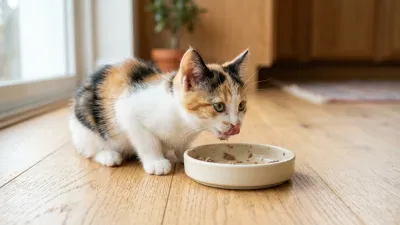
A kitten should never go more than 12 to 24 hours without eating, and neonates under four weeks old cannot survive more than 4 to 6 hours without nourishment. Kittens have fast metabolic rates, high energy demands, and minimal body fat reserves. Skipping meals quickly leads to low blood sugar, severe weakness, and rapid physical decline.
When a young cat refuses food, swift action is key. Understanding age-specific timelines and recognizing early warning signs can prevent dangerous health complications.
📋 In This Guide
Maximum Time a Kitten Can Go Without Food by Age#
The amount of time a kitten can safely fast depends directly on its developmental stage. Younger kittens lack energy reserves and require frequent feeding to maintain blood glucose levels.
| Age Range | Maximum Time Without Food | Primary Risk Level |
|---|---|---|
| 0 - 4 Weeks | 2 to 4 hours | Extremely High (Immediate Crisis) |
| 4 - 8 Weeks | 6 to 12 hours | High (Urgent Action Needed) |
| 8 - 12 Weeks | 12 hours | Moderate to High |
| 12+ Weeks | 12 to 24 hours | Moderate |
Newborns and Neonates (0 to 4 Weeks)#
Newborn kittens rely completely on mother’s milk or formula every two to three hours. Their bodies cannot regulate blood sugar independently. Missing even two consecutive feedings can trigger severe hypoglycemia, hypothermia, and organ shutdown.
Weaning Kittens (4 to 8 Weeks)#
During the weaning phase, kittens transition from milk to solid food. While they possess slightly more stamina than neonates, they still require meals every four to six hours. Going twelve hours without eating puts a weaning kitten at serious risk of dehydration and energy crash.
Older Kittens (8 to 12+ Weeks)#
By eight weeks, a kitten’s digestive system is sturdier. However, fasting for more than 12 to 24 hours remains an emergency. Unlike adult cats, growing kittens consume significantly higher calories per pound of body weight to support bone and muscle development.
Why Inappetence Is Dangerous for Kittens#
When adult cats stop eating, their bodies break down stored fat for energy. Kittens do not have this luxury. Prolonged fasting triggers systemic issues far quicker than in mature felines.
- Hypoglycemia (Low Blood Sugar): Kittens store very little glycogen in their livers. Without a continuous intake of nutrients, blood glucose drops, causing lethargy, tremors, seizures, or loss of consciousness.
- Dehydration: Kittens obtain a significant portion of their daily moisture from wet food. Appetite loss usually coincides with reduced fluid intake. You can learn more about daily fluid requirements in our guide on how much water a kitten should drink daily.
- Failure to Thrive: Consistent calorie deficiency halts growth, weakens the immune system, and leaves kittens vulnerable to secondary infections. Make sure you monitor their growth against guidelines for how many calories a kitten needs daily.
Common Reasons Kittens Stop Eating#
Identifying why a kitten refuses food helps you resolve the issue before it becomes critical. In our experience with young felines, the most common triggers include:
Environmental Stress and Transitions#
Moving to a new home, separating from littermates, or introducing new pets causes anxiety. Stressed kittens frequently hide and refuse to eat for the first few hours. If you recently brought home a timid rescue, review strategies on how to socialize a shy kitten to reduce environmental fear.
Sudden Dietary Changes#
Switching food brands or textures too quickly often causes digestive distress or food aversion. Always follow a gradual transition schedule when changing diets. Read our step-by-step instructions on transitioning your kitten to new food without upset stomach to avoid digestive shutdowns.
Upper Respiratory Infections (URIs)#
Kittens rely heavily on their sense of smell to stimulate appetite. Upper respiratory infections cause nasal congestion, blocking their ability to smell food. If a kitten cannot smell its meal, it simply will not eat.
Parasites and Illness#
Internal parasites like roundworms, coccidia, or giardia rob kittens of nutrients, causing nausea, bloating, and loss of appetite. Fever, dental discomfort from teething, or ingestion of foreign objects also lead to sudden food refusal.
⚠️ Safety Warning: If a kitten under 8 weeks old stops eating entirely, shows extreme lethargy, vomits, or experiences diarrhea, seek immediate emergency veterinary assistance. Do not wait 24 hours.
How to Encourage an Inappetent Kitten to Eat#
If your kitten skips a single meal but appears bright and active, try these proven techniques to stimulate their appetite at home.
- Warm Up the Food: Heat wet kitten food in the microwave for 3 to 5 seconds until it reaches body temperature (around 100°F). Warming enhances aroma and palatable appeal. Always test the temperature on your wrist to prevent mouth burns.
- Offer Strong-Smelling Foods: Mix plain, unseasoned chicken baby food (containing no onion or garlic powder) or canned plain salmon into their regular dish. The pungent scent often encourages them to lick.
- Try Hand-Feeding: Place a tiny dab of wet food or liquid milk replacer on your finger and gently touch it to the kitten’s lips. Licking their lips often triggers their feeding reflex.
- Create a Quiet Environment: Move the food dish to a calm, safe area away from loud noises, children, and other household pets.
- Clear Nasal Passages: If congestion is present, place the kitten in a warm, steamy bathroom for 10 minutes to help clear airway blockage before mealtime.
FAQs: Kitten Appetite and Feeding#
Can a kitten go overnight without food?#
Kittens over 8 weeks old can safely sleep through the night (6 to 8 hours) without eating, provided they receive adequate calories throughout the day. However, kittens under 6 weeks old require night feedings to maintain stable blood sugar levels.
How can I tell if my kitten is dehydrated?#
Gently pinch the skin between the kitten’s shoulder blades and release it. In a healthy, hydrated kitten, the skin snaps back immediately. If the skin tents or returns slowly, or if their gums feel dry and tacky, the kitten is dehydrated and needs professional care.
Should I syringe-feed a kitten that refuses to eat?#
Syringe-feeding milk replacer or wet food slurry is helpful for weak kittens, but it must be done with extreme caution. Force-feeding too quickly can lead to aspiration, where food enters the lungs instead of the stomach. Always consult an animal care expert or clinic before attempting syringe-feeding.
Summary: Action Plan for an Inappetent Kitten#
When dealing with a kitten that will not eat, immediate observation and action are key to support their survival:
- Check Age and Fasting Window: Neonates need aid within 2-4 hours; older kittens require intervention if fasting approaches 12 hours.
- Assess Behavior: Look for signs of weakness, gums that are pale or dry, cold paw pads, or vocal crying.
- Stimulate Senses: Offer warm, aromatic kitten wet food or milk replacer in a secure room.
- Seek Professional Support: If appetite does not return within 12 hours (or 4 hours for young neonates), contact a licensed veterinarian immediately.