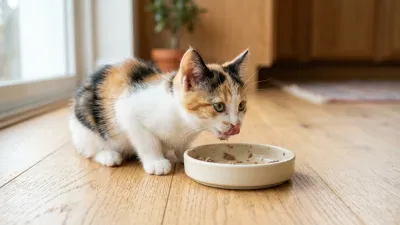
Switching a young kitten to a new diet requires patience, precision, and a measured schedule. Sudden food changes disrupt a young cat’s developing microbiome, quickly leading to loose stool, vomiting, gas, and food refusal. By following a structured transition protocol, you can introduce new proteins or textures while keeping your kitten comfortable and healthy.
Whether you are bringing home a newly adopted pet, moving from rescue shelter kibble to a premium recipe, or balancing wet and dry options, this guide provides a step-by-step framework to protect your kitten’s digestive health.
📋 In This Guide
Why Kittens Have Sensitive Stomachs#
A kitten’s digestive system is in a rapid state of growth. Their gastrointestinal tract produces specific enzymes tailored to their current food. When you introduce an unfamiliar formula overnight, their digestive enzymes and gut bacteria cannot adapt fast enough to process the new nutrients.
This enzyme mismatch leads to undigested nutrients passing directly into the colon. The colon draws in excess water, which produces acute diarrhea and cramps. In young animals, persistent loose stools can quickly cause dehydration and nutrient loss. If you are also deciding on long-term feeding formats, reviewing our guide on wet vs dry food for kittens can help you establish the right nutritional baseline.
The 7 to 10-Day Step-by-Step Transition Schedule#
The safest way to change diets is through gradual mixing over seven to ten days. For kittens with known sensitivities or sensitive breeds, extend this timeline to 14 days.
| Transition Phase | Days | Percentage of Current Food | Percentage of New Food |
|---|---|---|---|
| Phase 1: Introduction | Days 1 to 2 | 75% | 25% |
| Phase 2: Equal Balance | Days 3 to 4 | 50% | 50% |
| Phase 3: Dominant New | Days 5 to 6 | 25% | 75% |
| Phase 4: Full Switch | Day 7 and Beyond | 0% | 100% |
Phase 1: Introduction (Days 1 to 2)#
Begin by offering 75% of your kitten’s original food combined with 25% of the new recipe. Mix the portions thoroughly in the same bowl so your pet cannot selectively pick out the old pieces. Monitor stool consistency and energy levels closely during these first 48 hours.
Phase 2: Equal Balance (Days 3 to 4)#
If your kitten’s stool remains firm, adjust the ratio to an even 50/50 split. If you notice softer stool, stay at the 75/25 ratio for an extra two days before advancing. Never rush to the next stage if mild upset appears.
Phase 3: Dominant New Food (Days 5 to 6)#
Shift the mixture to 25% original food and 75% new food. At this stage, your kitten’s intestinal tract is actively processing mostly new ingredients. Keep meal times consistent to reduce behavioral stress that could also influence digestion.
Phase 4: Full Transition (Day 7 and Beyond)#
Offer 100% of the new formula. Continue to monitor your kitten’s stool quality and appetite over the next week to confirm complete tolerance.
💡 Pro Tip: Use a digital kitchen scale rather than a standard measuring cup. Measuring food by gram weight helps precise percentage ratios and prevents inadvertent overfeeding, which is a common cause of soft stool during food switches.
Transitioning Between Different Textures (Kibble to Wet Food)#
Switching between food formats presents sensory challenges alongside digestive adjustments. Dry kibble and canned wet food have drastically different moisture levels, fat profiles, and textures.
Moving from Dry Kibble to Wet Food#
- Add Warm Water to Kibble: Start by softening the existing dry food with warm water or bone broth designed for pets. This accustoms your kitten to higher moisture content and softer consistencies.
- Mix Canned Food Gradually: Blend a teaspoon of warm wet food into the soaked kibble. Increase the canned portion gradually while decreasing the dry kibble over a 10-day window.
- Serve at Body Temperature: Cold food straight from the refrigerator often causes stomach spasms in kittens. Warm canned meals slightly to enhance natural aromas and make the food appealing.
Moving from Wet Food to Dry Kibble#
- Crush Kibble into Wet Food: Grind a small portion of dry kibble into coarse crumbs and mix it into the wet food. This introduces the new flavor without an intimidating crunch.
- Offer Intact Kibbles as Rewards: Offer single kibble pieces by hand during play sessions or daily handling. This creates positive associations with the new texture.
- Monitor Water Intake: Dry diets contain roughly 10% moisture compared to 78% in wet foods. Make sure multiple clean water fountains or bowls are available throughout your home.
Supporting the Gut with Probiotics and Digestive Aids#
Adding a targeted digestive supplement during a diet transition can reinforce gut flora and reduce the risk of diarrhea. Beneficial bacteria populate the intestinal lining, outcompeting potential pathogens and aiding nutrient breakdown.
Incorporating a proven feline probiotic powder directly into your kitten’s morning meal creates an optimal environment for healthy digestion. These supplements are especially valuable when moving rescue kittens from inconsistent shelter diets onto balanced home feeding programs. As you manage nutrition, maintaining proper litter box hygiene helps you spot changes in stool quality right away.
⚠️ Safety Warning: Never use over-the-counter human antidiarrheal medications for kittens. Ingredients such as bismuth subsalicylate are toxic to felines. If severe diarrhea, lethargy, or repeated vomiting occurs, seek professional veterinary care immediately.
How to Handle Stall Points and Picky Eating#
Some kittens will accept a new food readily for two days, only to pick at their bowl or develop mild diarrhea when the ratio hits 50%. When challenges arise, use these practical adjustments:
- Take One Step Backward: If stool turns soft, return immediately to the previous successful ratio for three to four days until digestion stabilizes.
- Avoid Free Feeding: Leave meals out for 20 to 30 minutes, then pick up the bowl. Scheduled meal times stimulate appetite and allow you to track exactly how much food is consumed.
- Minimize Treats and Scraps: Pause all training treats, dairy products, and table scraps during the transition period. Isolating the main diet helps you identify how your kitten reacts to the new formula.
- Keep Routine Stable: Avoid making major environmental changes, such as introducing new pets or starting intensive training routines, in the middle of a food switch. If you are also managing household dynamics, read our guide on how to introduce a kitten to an older cat once dietary routines are stable.
As your pet grows past their first birthday, you will need to repeat this transition process when knowing when to switch kitten to adult cat food. Mastering the transition method now establishes healthy habits for life.
Frequently Asked Questions#
What should I do if my kitten develops diarrhea during a food change?#
Pause the transition immediately and step back to the ratio where stools were firm, or return temporarily to 100% of the original diet. Keep your kitten well-hydrated. If loose stool persists for more than 24 hours, or if you notice blood, lethargy, or fever, consult your veterinarian to rule out parasites or underlying infections.
Can I mix two different brands of kitten food permanently?#
Yes, rotational or blended feeding is safe provided both products are complete and balanced for growing kittens. If you plan to feed a blend long-term, transition to that specific ratio gradually so your kitten’s digestive system adapts to both protein sources and nutrient profiles.
How long can a kitten safely refuse to eat new food?#
Kittens should never go without food for more than 12 to 24 hours. Prolonged fasting in young cats quickly leads to dangerous drops in blood sugar (hypoglycemia) and hepatic issues. If your kitten refuses the new mixture, offer a small portion of their original food to keep them nourished while you reassess your transition pace.
Summary: Kitten Food Transition Checklist#
- Gather Supplies: Secure a digital food scale, airtight storage containers, and digestive probiotics before starting.
- Follow the Ratios: Use the 75/25, 50/50, and 25/75 formula progression across 7 to 10 days.
- Check Stool Daily: Inspect the litter box daily for changes in firmness, color, or volume.
- Warm the Meals: Serve wet food at room temperature or slightly warmed to increase acceptance.
- Eliminate Variables: Eliminate all table scraps and unnecessary treats until the full transition is complete.