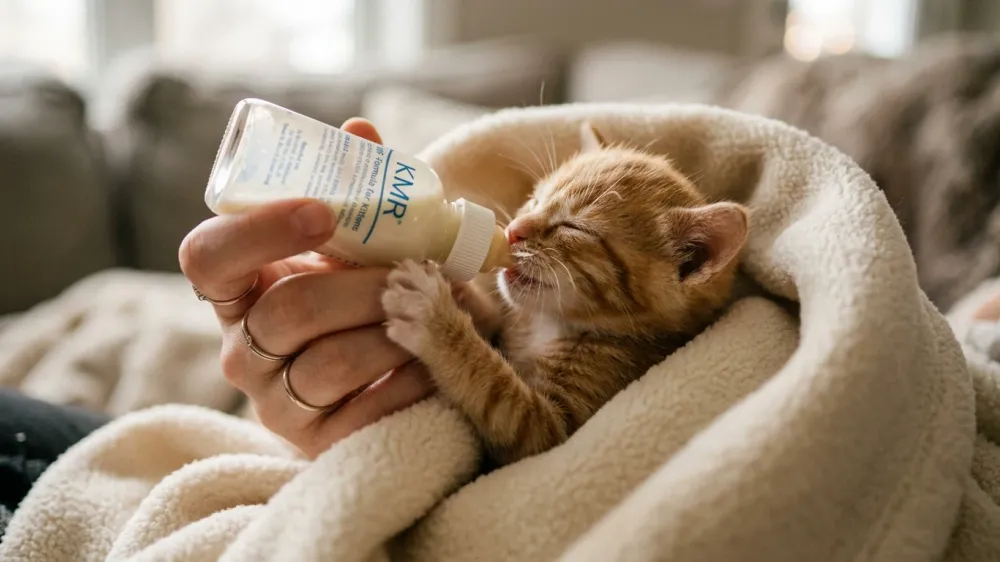
Kitten milk replacer is the only safe alternative for neonatal kittens when a mother cat is unavailable or unable to nurse. Standard supermarket milk lacks the specific balance of proteins and fats required for feline growth and often causes severe digestive upset. To ensure the survival of vulnerable kittens, you must follow a strict protocol for preparation, feeding technique, and hygiene. High-quality commercial formulas are designed to mimic the nutritional profile of queen’s milk, providing essential vitamins and minerals that support brain and immune system development.
📋 In This Guide
Why Quality Milk Replacer Matters#
Neonatal kittens have extremely sensitive digestive systems and unique metabolic requirements. Using an incorrect substitute can lead to malnutrition or life-threatening dehydration. While it might be tempting to use what is in your refrigerator, experts consistently warn against it. Can kittens drink cow milk? The answer is a firm no, as the high lactose content and low fat levels are unsuitable for feline needs.
Selecting a reputable product like PetAg KMR ensures that the kitten receives the necessary taurine and caloric density for rapid growth. These formulas come in both powder and liquid forms. Powdered versions are generally more cost-effective for large litters and have a longer shelf life after opening, provided they are stored in a cool, dry place. Liquid formulas offer convenience but must be used quickly once the seal is broken.
Essential Supplies for Bottle Feeding#
Before you begin the feeding process, gather all necessary equipment to maintain a steady routine. Consistency is vital for the kitten’s comfort and health. You will need:
- Kitten-specific nursing bottles with varied nipple sizes.
- A small digital scale to track daily weight gain.
- Unscented baby wipes or soft cotton balls.
- A dedicated bottle brush for thorough cleaning.
- A small bowl for warming the formula.
Properly sizing the hole in the nipple is a common challenge for new caregivers. A hole that is too small causes the kitten to tire before finishing the meal, while a hole that is too large can lead to aspiration. When the bottle is inverted, milk should drip slowly but steadily out of the nipple without needing a forceful squeeze.
Formula Preparation Steps#
- Water Selection: Use boiled and then cooled water or bottled water to mix with powdered formula. This minimizes the risk of introducing bacteria to the kitten’s system.
- Mixing Ratios: Strictly follow the manufacturer’s instructions, typically two parts water to one part powder. Avoid over-diluting, which leads to malnutrition, or under-diluting, which can cause constipation.
- Eliminating Clumps: Mix the formula until it is completely smooth. Any clumps can clog the nipple and frustrate the kitten.
- Temperature Testing: Warm the prepared formula in a water bath. Never use a microwave, as it creates dangerous hot spots. Test the temperature on the inside of your wrist; it should feel slightly warm but not hot (approximately 100 degrees Fahrenheit).
Expert Feeding Techniques#
Success in bottle feeding depends heavily on the kitten’s position. Never feed a kitten on its back like a human baby. This is the most common mistake made by beginners and frequently results in milk entering the lungs. Instead, place the kitten on its belly in a natural nursing position. You can place a towel or a soft cloth underneath them to provide a surface for their paws to ‘knead,’ which stimulates the natural nursing instinct.
| Age of Kitten | Feeding Frequency | Estimated Amount per Feed |
|---|---|---|
| 0 to 1 Week | Every 2 to 3 hours | 2 to 6 ml |
| 1 to 2 Weeks | Every 3 to 4 hours | 6 to 10 ml |
| 2 to 3 Weeks | Every 4 hours | 10 to 15 ml |
| 3 to 4 Weeks | Every 5 to 6 hours | 15 to 20 ml |
Introduce the nipple by gently touching it to the kitten’s lips or opening their mouth slightly with your fingertip. Once they latch, hold the bottle at a 45-degree angle to prevent them from swallowing air. Allow the kitten to suckle at their own pace. If the kitten stops suckling or begins to blow bubbles, they have likely had enough or need a short break to burp.
💡 Pro Tip: To burp a kitten, place them upright against your shoulder or over your palm and very gently pat their back. Burping helps release trapped air and prevents bloating and discomfort.
Post-Feeding Care and Stimulation#
Neonatal kittens cannot urinate or defecate on their own. In a natural setting, the mother cat stimulates this process by licking the kitten. As the surrogate caregiver, you must perform this task after every single feeding. Use a warm, damp cotton ball or a soft wipe to gently rub the kitten’s genital and anal area in a circular motion. This should trigger the kitten to eliminate within sixty seconds.
Failure to stimulate a kitten can lead to toxic buildup and severe health complications. Always monitor the color and consistency of the waste. Stool should be yellowish-brown and mustard-like in consistency. If you notice white flecks, the formula may be too concentrated. If the stool is greenish or watery, the kitten may be overfed or struggling with a digestive issue.
Monitoring Growth and Transition#
Weight tracking is the most reliable way to ensure the kitten is thriving on the milk replacer. Kittens should be weighed daily at the same time using a digital scale. A healthy kitten typically gains about 10 to 15 grams per day. A lack of weight gain or a sudden drop is a primary indicator that something is wrong, and you should seek advice from a pet care expert or veterinarian immediately.
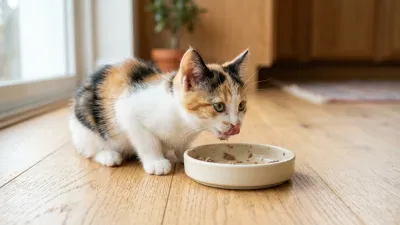
As the kitten reaches four weeks of age, you can begin the weaning process. This involves mixing a small amount of milk replacer with high-quality kitten food to create a ‘gruel.’ During this phase, it is helpful to understand the differences between wet vs dry kitten food to choose the best starter texture. Gradually increase the amount of solid food while decreasing the formula until the kitten is fully transitioned. For more details on the final stages of growth, see our guide on when to switch kitten to adult cat food to ensure a smooth lifelong nutritional path.
Frequently Asked Questions#
How long can prepared formula stay in the refrigerator?#
Prepared kitten milk replacer can be stored in the refrigerator for up to 24 hours. Always discard any formula that has been sitting at room temperature for more than an hour or any refrigerated formula older than one day to prevent bacterial growth.
What should I do if the kitten won’t latch?#
Ensure the kitten is warm before attempting to feed. A cold kitten cannot digest food and will often refuse to nurse. Use a heating pad set to low (wrapped in several layers of towels) or your own body heat to bring the kitten up to a normal temperature before offering the bottle. If they still refuse, check the nipple hole size or try a different nipple shape.
Can I use a syringe instead of a bottle?#
Syringes can be used for kittens that are too weak to suckle, but they carry a higher risk of aspiration if the plunger is pushed too quickly. Most experts prefer bottles because they allow the kitten to control the flow of milk through their own suckling reflex. Only use a syringe if you have been shown the proper technique by an experienced trainer or rescuer.
Summary: Kitten Feeding Action Plan#
To successfully raise a kitten on milk replacer, follow this structured daily routine:
- Prepare: Mix fresh formula for each day and test the temperature on your wrist.
- Position: Always feed with the kitten’s belly facing down to prevent choking.
- Feed: Follow a strict kitten feeding schedule by age to ensure they receive adequate calories.
- Stimulate: Help the kitten eliminate after every meal using a warm cloth.
- Track: Weigh the kitten daily and record the results to monitor consistent growth.
- Sanitize: Wash all bottles and mixing tools in hot, soapy water or a sterilizer after every use.