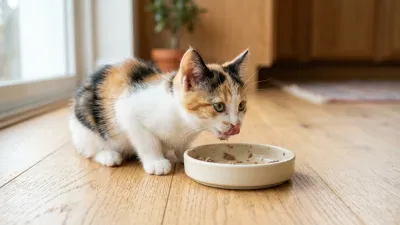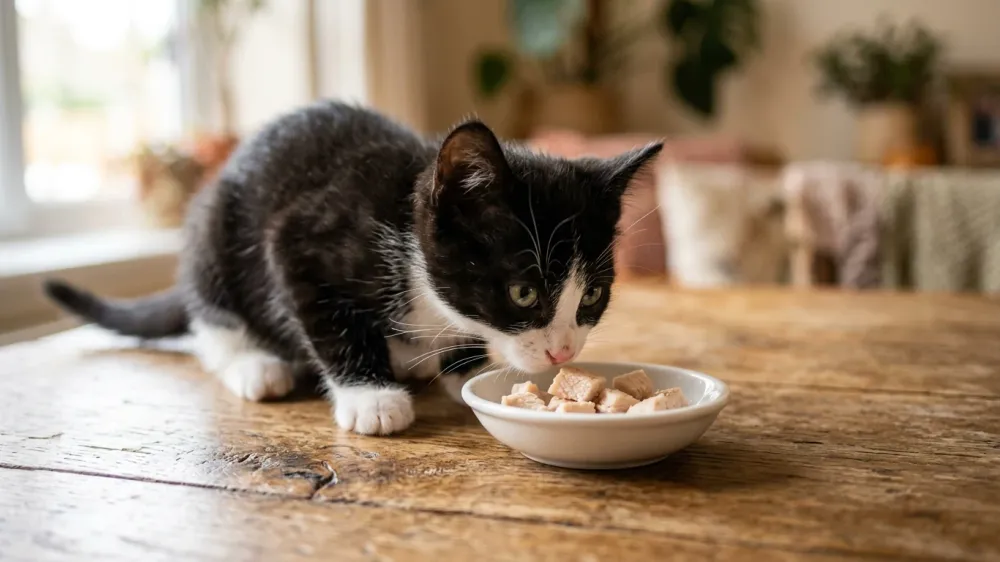
Young kittens have delicate digestive systems and specialized nutritional demands that differ significantly from adult cats. While complete and balanced commercial kitten food should form the vast majority of your pet’s diet, offering select safe human foods provides excellent enrichment and high-value rewards during early socialization.
Introducing table scraps haphazardly can cause gastrointestinal distress, nutritional imbalances, or dangerous toxicity. Learning which human foods are safe, how to prepare them properly, and when to offer them ensures your young cat stays healthy and thrives.
📋 In This Guide
The Golden Rules for Feeding Kittens Human Food#
Before offering any human food to your kitten, you must establish clear safety boundaries. Kittens grow rapidly and require precise balances of protein, amino acids like taurine, fats, and minerals.
- Respect the 10 Percent Rule: Safe human snacks and treats should never exceed 5 to 10 percent of your kitten’s total daily calorie intake. The remaining 90 percent or more must come from high-quality commercial kitten food. Reviewing our wet vs dry kitten food guide can help you establish that baseline foundation.
- Wait for Complete Weaning: Never offer solid human food to unweaned kittens. Kittens should be at least eight weeks old and comfortably eating solid kitten kibble or wet food before tasting human food supplements.
- Keep Preparations Plain: Always serve human foods completely unseasoned. Salt, garlic, onions, butter, cooking oils, and heavy spices are toxic or irritating to a kitten’s stomach.
- Serve Boneless and Bite-Sized: Kittens explore food with tiny mouths. Cut cooked meats into pea-sized bites to eliminate choking hazards, and never offer cooked bones.
⚠️ Safety Warning: Never feed kittens raw meat, raw fish, or raw eggs. Young kittens have immature immune systems that make them especially vulnerable to bacterial contamination from Salmonella, Listeria, and E. coli.
Safe Human Foods Kittens Can Eat#
When prepared properly and served in tiny portions, the following human foods make safe, rewarding treats for growing kittens.
1. Plain Cooked Poultry (Chicken and Turkey)#
Cooked chicken breast and turkey breast are among the safest, most digestible human foods for kittens. They provide high-quality animal protein without excess fat.
- How to prepare: Boil, bake, or steam skinless poultry without oil, salt, or seasonings. Cut into tiny, pea-sized shreds.
- Best use: High-value training treats during early litter box training or carrier conditioning.
2. Cooked Boneless Fish (Salmon and Whitefish)#
Fish provides beneficial omega-3 fatty acids that support brain and coat development. However, it should only be fed as an occasional luxury.
- How to prepare: Bake or steam fresh salmon, cod, or flounder until cooked through. Thoroughly inspect each piece to remove all fine bones.
- Best use: Occasional sensory enrichment. Avoid canned tuna meant for humans, as it contains excess sodium and lacks the essential vitamins kittens need.
3. Plain Scrambled or Hard-Boiled Eggs#
Eggs are a powerhouse of digestible protein, iron, and essential amino acids. Cooked eggs make an excellent soft treat, especially for kittens going through teething.
- How to prepare: Scramble an egg in a dry non-stick pan without butter, milk, or salt. Alternatively, chop hard-boiled egg whites and yolks into tiny pieces.
- Best use: A gentle protein boost mixed into standard kitten meals. For more tips on soothing sore gums, read our guide on when kittens lose their baby teeth.
4. Plain Pureed Pumpkin#
Plain canned pumpkin (not sugary pumpkin pie mix) is packed with soluble fiber and moisture. It helps regulate your kitten’s bowel movements and supports gut flora.
- How to prepare: Serve 1/4 teaspoon of 100% pure pumpkin puree directly, or mix it into wet food.
- Best use: Soothing mild bouts of constipation or loose stool.
5. Steamed Carrots and Peas#
While obligate carnivores do not require vegetables in their diet, small amounts of cooked vegetables provide fiber and hydration.
- How to prepare: Steam carrots until fork-tender and dice them finely. Thaw frozen peas and mash them slightly.
- Best use: Low-calorie texture exploration for curious kittens.
6. Blueberries and Seedless Watermelon#
Certain fruits offer safe hydration and antioxidants in microscopic quantities.
- How to prepare: Wash blueberries and cut them in half. Cut seedless watermelon into tiny chunks, ensuring no rind or black seeds are present.
- Best use: Summer enrichment treats.
Using an interactive feeder mat like the one above is an outstanding way to offer smooth, safe treats like plain pumpkin puree or shredded boiled chicken. Spreading food across textured silicone encourages calm licking behavior, provides mental stimulation, and prevents eager kittens from gulping their snacks too quickly.
Quick Reference: Safe vs. Toxic Human Foods#
Use this quick reference table to evaluate table foods before letting your kitten sample them.
| Human Food | Safety Status | Proper Serving Method | Key Risk or Benefit |
|---|---|---|---|
| Boiled Chicken | Safe | Shredded, boneless, unseasoned | Excellent lean protein source |
| Cooked Egg | Safe | Plain scrambled or hard-boiled | Highly digestible amino acids |
| Plain Pumpkin Puree | Safe | 1/4 teaspoon, 100% pure pumpkin | Gentle digestive fiber support |
| Cooked Salmon | Safe | Plain, fully cooked, deboned | Rich in healthy omega-3 fatty acids |
| Cow’s Milk & Cream | Unsafe | Avoid entirely | Causes severe diarrhea & cramps |
| Onions & Garlic | Toxic | Avoid entirely | Destroys red blood cells (anemia) |
| Grapes & Raisins | Toxic | Avoid entirely | Can trigger acute kidney failure |
| Chocolate & Caffeine | Toxic | Avoid entirely | Causes cardiac and nervous system distress |
💡 Pro Tip: Introduce only one new food at a time, spaced at least three days apart. If your kitten develops loose stool or an upset stomach, you will immediately know which ingredient caused the issue.
Human Foods You Must Never Feed to Kittens#
Kittens have small bodies and low tolerance for toxic compounds. Keep the following items strictly out of reach:
- Cow’s Milk and Dairy Products: Most kittens lose their ability to digest lactose shortly after weaning. Drinking grocery store milk leads to severe diarrhea and dehydration. Learn more about safe fluid options in our breakdown on the risks of feeding kittens cow milk.
- Allium Family (Garlic, Onions, Chives, Leeks): Alliums contain compounds that damage feline red blood cells, leading to life-threatening hemolytic anemia. Even small amounts of onion powder in seasoned baby food or broth can be dangerous.
- Chocolate, Coffee, and Tea: These contain theobromine and caffeine, which cause elevated heart rates, muscle tremors, and seizures in young cats.
- Grapes and Raisins: These fruits are known to cause sudden kidney failure in companion animals.
- Xylitol (Birch Bark Extract): This artificial sweetener is found in sugar-free peanut butter, baked goods, and candies, and it causes rapid metabolic collapse.
- Bread Dough with Active Yeast: Raw yeast dough expands in the stomach, causing extreme pain, blockages, and alcohol toxicity as the yeast ferments.
Step-by-Step: How to Introduce Human Foods Safely#
- Establish Foundation Nutrition: Ensure your kitten is settled on a consistent feeding routine. If you are preparing a new adoption, review our first kitten care guide to structure their core daily schedule.
- Select One Plain Ingredient: Choose a single safe food, such as plain boiled chicken breast.
- Offer a Micro-Portion: Place a single pea-sized shred on top of their regular food or directly on a clean lick mat.
- Monitor for 24 to 48 Hours: Watch for vomiting, gas, loose stool, lethargy, or facial swelling.
- Maintain Routine: If tolerated well, you can use that specific food as an occasional high-value training reward. As your pet grows, remember to adjust overall calorie targets and review when to switch from kitten to adult cat food around their first birthday.
Frequently Asked Questions#
Can kittens eat store-bought meat baby food?#
Plain meat baby food (such as pure chicken, turkey, or beef) can be safely fed to kittens in small quantities, provided you check the ingredient label carefully. The baby food must contain only meat and water or broth. It must never contain onion powder, garlic powder, or added salt, which are common additive ingredients in human baby food jars.
Can kittens eat plain white rice or bread?#
Cooked plain white rice is non-toxic and is sometimes mixed with boiled chicken to firm up loose stool. However, bread and rice offer very little nutritional value for obligate carnivores. They should only be offered in tiny amounts under the guidance of a pet care professional for temporary digestive relief.
Can kittens eat peanut butter?#
Peanut butter is not recommended for kittens. It is extremely calorie-dense, high in fat, and poses a severe choking hazard due to its thick, sticky consistency. Additionally, some brands contain xylitol, an artificial sweetener that is highly toxic to pets.
Summary: Building Healthy Treat Habits for Your Kitten#
Safe human foods can add variety and enrichment to your kitten’s development when offered thoughtfully. By sticking to plain, thoroughly cooked lean proteins, pureed pumpkin, and tiny portions of safe fruits, you can provide tasty rewards without compromising their balanced commercial diet. Keep portions small, introduce ingredients one by one, and always steer clear of toxic kitchen staples like alliums, dairy, and chocolate.