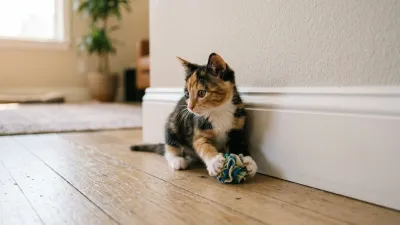
Teaching a kitten to come when called is one of the most useful skills you can instill during early development. Kittens are curious, fast, and capable of learning verbal cues quickly when motivated by positive reinforcement. A reliable recall cue keeps your pet safe in emergencies, helps you locate them around the house, and strengthens your bond.
In training sessions, we find that young cats respond best to short, engaging lessons paired with high-value rewards. By starting early, you build a lifetime of reliable responses to your voice.
📋 In This Guide
Why Recall Training is Key for Kittens#
Many owners assume cats are independent creatures that cannot learn verbal commands. In reality, young felines excel at association learning. Establishing a strong recall command gives you control when a door opens unexpectedly or when you need to locate a hiding pet.
Recall training also complements other foundational house rules. Establishing reliable communication early makes it far easier to manage routine habits like litter box training or teaching proper boundaries around the home.
Tools and Rewards for Kitten Training#
To train a kitten effectively, you need a high-value treat that your kitten rarely receives at mealtime. Soft treats, freeze-dried meat, or squeeze-able lickable treats work best because they can be consumed quickly without interrupting the rhythm of the training session.
Using high-value rewards creates a powerful positive association. If your pet is timid or newly adopted, take time to build trust first; review our guide on how to socialize a shy or feral kitten before introducing fast-paced training sessions.
💡 Pro Tip: Reserve your training reward exclusively for recall practice. If your kitten gets their favorite food every day for free, it loses its power as a high-value motivator.
Step-by-Step Guide: Teaching the Recall Cue#
Training should occur in short intervals of 2 to 3 minutes, 2 or 3 times per day. Keep energy high and stop while your kitten is still eager for more.
Step 1: Pair the Cue Word with the Reward#
Choose a clear, distinct recall cue like “Come” or your kitten’s name followed by “Here.” Avoid using words you repeat casually throughout the day. Sit next to your kitten, say the cue clearly once, and immediately present a small treat. Repeat this 5 to 10 times in a single session so your kitten connects the sound with delicious food.
Step 2: Introduce Short Distance and Motion#
Take two steps back from your kitten. Say the recall word in a cheerful voice. When your kitten walks toward you, mark the exact moment they reach you with a verbal marker like “Yes!” and hand over the reward. If they get distracted, lower your hand or take another small step back to draw their attention.
Step 3: Expand Distance Across Rooms#
Once your kitten reliably moves toward you from across a small room, begin calling them from around corners or from different rooms. When they locate you and arrive, celebrate with enthusiasm and a reward. Calling your kitten is also an effective way to redirect them if you need to learn how to stop a kitten from climbing curtains or jumping onto off-limit counters.
Step 4: Add Distractions and Generalization#
Practice when minor distractions are present, such as while another household member is walking nearby. Keep rewards exceptionally high-value during this phase to compete with their natural curiosity.
Recall Training Do’s and Don’ts#
| Do | Don’t |
|---|---|
| Use a happy, cheerful tone of voice | Repeat the command over and over when ignored |
| Reward every successful arrival immediately | Call your kitten to administer medicine or baths |
| Keep practice sessions under 3 minutes | Punish your kitten if they take a long time to come |
| End every session on a successful repetition | Practice when your kitten is sleepy or full after meals |
Overcoming Common Recall Challenges#
If your kitten fails to respond, avoid repeating the cue repeatedly. Repeating the word while ignored teaches your pet that the signal has no real meaning. Instead, reduce the distance, reset their attention with a gentle clap, or offer a higher-value treat.
⚠️ Safety Warning: Never call your kitten to come to you and then immediately perform a task they dislike, such as clipping nails or grooming. Go to your kitten instead for unpleasant tasks so the recall cue maintains a 100% positive association.
Recall skills pair exceptionally well with outdoor safety preparations. Once your pet learns to come on command indoors, you can begin expanding their horizons by learning how to harness train a kitten for safe outdoor excursions. Similarly, directing your kitten away from inappropriate scratching behavior is much smoother when they respond instantly to your voice, making it easier to reinforce teaching your kitten to use a scratching post.
Finally, if you need your kitten to stay calm during necessary hygiene routines, like learning how to get a kitten used to water and baths, keeping recall rewards strictly separate from bath time helps recall remains stress-free.
💡 Related Guide: Explore our in-depth guide on How to Calm an Overstimulated Kitten.
Frequently Asked Questions#
How long does it take to teach a kitten to come when called?#
Most kittens understand the association between the recall cue and a reward within 3 to 5 days. Establishing a reliable, automatic recall across different rooms with distractions typically takes 2 to 4 weeks of consistent, short daily practice sessions.
What should I do if my kitten ignores my recall command?#
If your kitten ignores the cue, do not keep repeating the word. Step closer, make a soft clicking or kissing noise to gain their focus, and show them the treat. Once they move toward you, offer the reward without repeating the main cue word so you do not weaken the signal.
Can I use a clicker for kitten recall training?#
Yes. A training clicker works exceptionally well for kittens. Click the moment your kitten takes a step toward you after hearing the recall cue, then immediately reward them. The clicker marks the exact correct behavior clearly.
Summary: Kitten Recall Action Plan#
Teaching your kitten to come when called is an interactive process built on trust and positive rewards. Follow this quick reference checklist for best results:
- Select a unique recall word and a high-value treat reserved strictly for training.
- Start close by, pairing the word directly with treat delivery.
- Gradually increase distance across rooms as speed and accuracy improve.
- Never use the recall command for negative experiences like grooming or crate travel.
- Keep sessions brief, fun, and consistent every day.