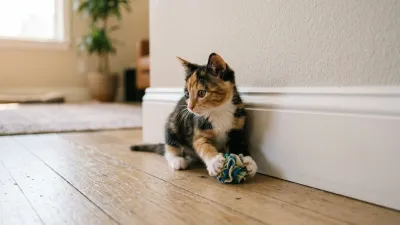
Trimming kitten nails does not have to be a battle of wills or a source of anxiety for you or your pet. Starting this grooming habit early creates a lifelong foundation of trust and cooperation. Expert trainers emphasize that the secret to a stress-free experience lies in desensitization and high-value rewards rather than physical force.
Proper nail maintenance prevents painful snags in carpets and protects your furniture from destructive scratching. It is a fundamental part of kitten care that ensures your pet remains comfortable and mobile. By following a structured approach, you can turn a potentially scary task into a bonding moment.
📋 In This Guide
The Foundation: Paw Desensitization#
In training sessions, we find that the biggest hurdle is not the actual cut, but the kitten’s reaction to their paws being touched. Most cats are naturally protective of their feet. You must teach your kitten that paw handling is a normal, positive experience before you ever introduce clippers.
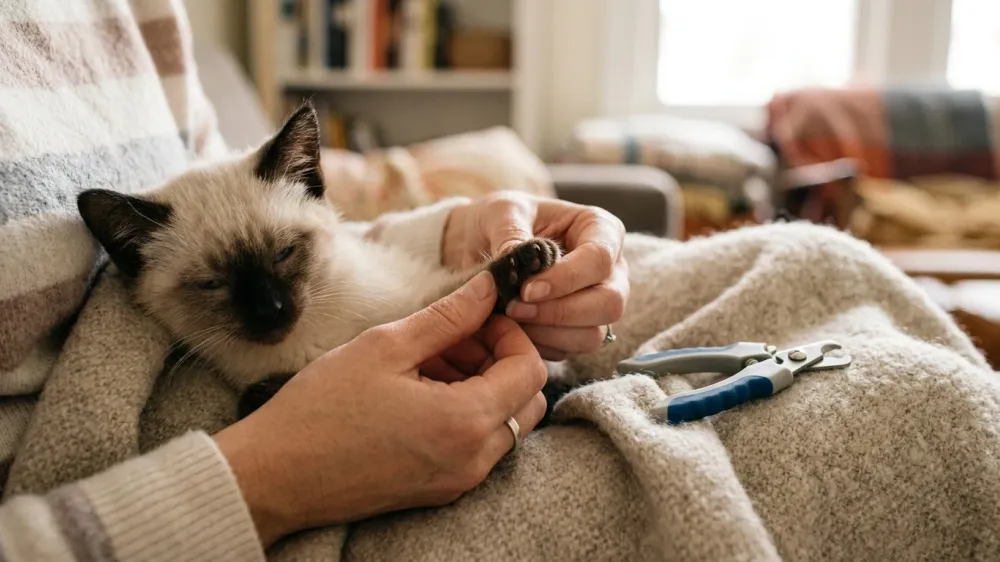
Begin by gently massaging your kitten’s paws while they are relaxed or sleepy. Apply slight pressure to the paw pads to encourage the claws to extend. If your kitten pulls away, do not chase them; wait until they are calm and try again. This tactile preparation is just as important as litter box training for their overall development.
Reward every successful touch with a tiny, high-value treat. Over several days, your kitten will begin to associate paw handling with rewards. This step-by-step desensitization makes other future tasks, such as harness training a kitten, much easier because they are already used to being handled.
Choosing the Right Tools#
Using the wrong equipment can cause the nail to crush or splinter, which is painful for the kitten. Human nail clippers are designed for flat surfaces and can pinch a cat’s curved claw. Veterinary professionals and pet care experts recommend tools specifically engineered for feline anatomy.
The Zen Clipper Precise is an excellent choice for new owners because its adjustable safety guard prevents you from cutting too deep. Regardless of the brand you choose, ensure the blades are sharp and made of high-quality stainless steel. Dull blades will tug on the nail, causing the kitten to flinch and lose trust in the process.
Clipper Types Comparison#
| Clipper Type | Best For | Pros | Cons |
|---|---|---|---|
| Scissor Style | Small Kittens | Easy to maneuver; familiar grip | Can be difficult for thick adult nails |
| Guillotine Style | Experienced Owners | Powerful clean cut | Harder to see exactly where the blade lands |
| Adjustable Safety | Beginners | Prevents cutting the quick; high precision | Slightly more expensive than basic models |
Setting the Stage for Success#
Environment is everything when it comes to grooming. Never attempt to trim nails when your kitten is in a high-energy state or experiencing the kitten night zoomies. Wait for a window of time when the kitten is naturally drowsy, such as after a meal or a long play session.
Choose a quiet room with minimal distractions. If you have a multi-cat household and are still learning how to introduce a kitten to an older cat, perform the grooming in a separate space. This prevents the older cat from interfering and keeps the kitten focused on you.
⚠️ Safety Warning: Never cut into the pink part of the nail known as the ‘quick.’ This area contains blood vessels and nerves. If you accidentally cut the quick, it will bleed and cause pain. Keep styptic powder nearby to stop bleeding instantly if an accident occurs.
Step-by-Step Action Plan#
- Positioning: Sit on the floor or a sofa and place the kitten in your lap, facing away from you. You can also use the “burrito” method by gently wrapping them in a towel, leaving only one paw exposed.
- The Extension: Gently grasp a single paw between your thumb and index finger. Apply light pressure to the top of the paw and the bottom pad to extend the claw.
- The Angle: Look for the quick (the pink interior). Position your clippers about 2 millimeters away from the quick. Cut at a slight 45-degree angle to follow the natural curve of the nail.
- One at a Time: Do not feel pressured to do all paws at once. If your kitten becomes restless after two nails, stop and try again later. Forcing the issue will only create a negative association.
- The Reward: Immediately follow the clip with a treat or verbal praise. Positive reinforcement is the fastest way to ensure they cooperate during the next session.
Understanding the Anatomy#
Kitten nails are translucent, which makes identifying the quick much easier than it is in adult cats with darker claws. The quick is the living tissue inside the nail. As the kitten grows and you learn when to switch kitten to adult food, the nails will become thicker and tougher, so mastering the technique now is vital.
If your kitten has clear nails, the quick looks like a small pink triangle. If you are unsure where it ends, it is always better to trim less more frequently than to trim too much once. Regular trims every two to three weeks will actually cause the quick to recede slightly, making future grooming easier.
Maintaining your kitten’s health also plays a role in their comfort during grooming. A kitten feeling unwell from parasites may be more irritable. Knowing how to tell if a kitten has worms and ensuring they are on a proper wellness schedule will keep their temperament stable for training.
Troubleshooting Common Challenges#
The Squirmer: If your kitten refuses to stay still, do not raise your voice or grip them tighter. Simply let them go and try again in ten minutes. Over-restraining a kitten often leads to a fear of being held.
The Hider: Some kittens learn to hide when they see the clippers. To prevent this, leave the clippers out in the open near their favorite sleeping spot. Let them sniff the tool and place treats around it so it becomes a neutral or positive object in their environment.
The Scratcher: If the kitten tries to bite or scratch the clippers, redirect them with a toy. Never use your hands as toys, as this encourages aggressive play that makes grooming dangerous for you.
💡 Related Guide: Before introducing nail clippers, practice how to desensitize a kitten to paw handling so your pet stays relaxed during grooming.
Frequently Asked Questions#
How often should I trim my kitten’s nails?#
Most kittens require a nail trim every 2 to 3 weeks. Kittens are highly active and their nails grow rapidly. Frequent, small trims are better than waiting months for a major cut, as it keeps the kitten accustomed to the routine.
What do I do if I cut the quick?#
Do not panic. If the nail starts to bleed, apply styptic powder or a small amount of cornstarch to the tip of the nail with firm pressure. The bleeding should stop within a minute. Give your kitten an extra special treat and end the session on a positive note to minimize the trauma.
Can I use a nail file instead of clippers?#
Yes, some owners prefer using a high-quality glass nail file or a pet-specific rotary tool (grinder). This is a slower process but eliminates the risk of a sharp cut. However, many kittens find the vibration or the sound of a grinder more frightening than a quick clip.
Summary: Stress-Free Grooming Action Plan#
To ensure your kitten remains calm during nail trims, follow this consistent routine:
- Daily Handling: Spend 5 minutes massaging paws during cuddle time to build trust.
- Tool Familiarity: Leave clippers in the kitten’s environment so they are not a ‘scary’ surprise.
- Timing: Only trim when the kitten is naturally calm or sleepy.
- Precision: Use sharp, feline-specific clippers and avoid the pink quick.
- Reward: Always end with high-value treats and praise to reinforce the behavior.
By staying patient and consistent, you will transform nail trimming from a chore into a simple, five-minute task that keeps your kitten healthy and your home scratch-free.