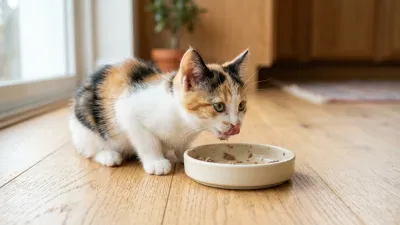
Kittens can safely eat plain cooked chicken in moderation. Plain chicken provides a concentrated source of high-quality animal protein that is easy on a growing cat’s digestive system. However, plain poultry alone lacks the full spectrum of vitamins and minerals required for balanced feline growth, so it should only serve as an occasional treat or temporary bland meal.
Understanding how to prepare chicken correctly and knowing its dietary limits prevents stomach upset while keeping your kitten healthy.
📋 In This Guide
Nutritional Benefits and Limitations of Chicken for Kittens#
Cooked chicken breast or thigh meat offers clean, easily digestible protein. When kittens transition off milk, lean chicken serves as an appealing flavor that encourages solid food consumption. It is also low in fat when prepared without skin, making it ideal for soothing mild digestive disturbances.
Despite these benefits, muscle meat alone does not constitute a complete diet. Whole prey or commercial cat foods contain ground bones, organs, and added supplements that supply key nutrients. Muscle meat lacks adequate calcium, phosphorus, and vitamin A. Most importantly, unfortified chicken does not offer sufficient taurine, an key amino acid kittens require for healthy heart function and vision.
Feeding a kitten exclusively on plain chicken will cause severe nutritional deficiencies within weeks. Plain chicken should make up no more than 10% of your kitten’s total daily calorie intake, while standard commercial meals form the remaining 90%.
💡 Pro Tip: If your kitten has a temporary bout of diarrhea, animal care experts often recommend a short diet of plain boiled chicken mixed with pureed pumpkin for 24 to 48 hours before transitioning back to balanced commercial food.
Step-by-Step: Preparing Cooked Chicken Safely#
Preparing chicken for a kitten requires strict adherence to safety steps to eliminate foodborne bacteria and choking hazards.
1. Select the Right Meat#
Choose fresh, unmarinated chicken breast or boneless thigh meat. Avoid pre-packaged meats injected with sodium solutions, broths, or seasonings.
2. Cook Thoroughly Without Seasoning#
Boil or bake the chicken in plain water until the internal temperature reaches 165°F (74°C). Never add salt, pepper, butter, oil, or garlic. Seasonings can disturb your kitten’s stomach, while plants from the Allium family (onions, garlic, chives, leeks) are toxic to felines.
3. Remove All Skin, Fat, and Bones#
Chicken skin contains high levels of fat that can trigger gastrointestinal distress or pancreatitis. Cooked chicken bones become brittle and can easily splinter, posing a risk of internal puncture or digestive obstruction.
4. Portion into Bite-Sized Pieces#
Allow the meat to cool completely. Shred the chicken into thin, delicate strands or chop it into tiny cubes no larger than a pea. Young kittens are still developing their chewing skills and cannot manage large chunks of dense meat. Exploring safe human foods for kittens can help you identify other plain ingredients that make suitable occasional treats.
Comparison: Types of Chicken and Kitten Safety#
The method of preparation determines whether chicken is safe for your kitten. Review this quick breakdown before serving poultry:
| Preparation Type | Safe for Kittens? | Potential Risks & Considerations |
|---|---|---|
| Plain Boiled Chicken Breast | Yes (As a treat) | Safe, easily digestible, low fat. Excellent reward or bland diet base. |
| Plain Baked Chicken Thigh | Yes (As a treat) | Safe when cooked completely plain. Slightly higher fat than breast meat. |
| Rotisserie / Store-Bought Chicken | No | High sodium content, added seasonings, garlic, and onion powder exposure. |
| Raw Chicken | No | High risk of Salmonella and E. coli contamination for developing immune systems. |
| Cooked Chicken Bones | No | Sharp splinters can pierce the throat, stomach, or intestinal tract. |
| Fried Chicken | No | Excessive grease and heavy batter cause acute stomach upset and diarrhea. |
When Can Kittens Start Eating Plain Chicken?#
Kittens can taste tiny bits of plain cooked chicken once they begin the weaning process, usually around four to five weeks of age. During weaning, mixing finely shredded plain chicken into warm water or commercial kitten food creates an appealing aroma that encourages solid food consumption.
By eight weeks of age, most kittens eat solid food confidently. As their baby teeth erupt and fall out around three to four months, soft shredded chicken provides a gentle treat that requires minimal heavy chewing. Tracking developmental milestones like when do kittens lose their baby teeth helps you adjust treat textures to suit their comfort levels.
When introducing chicken for the first time, offer a single teaspoon of shredded meat and monitor your kitten’s stool over the next 24 hours. If their digestions remains firm and normal, you can offer small chicken portions once or twice a week as a reward.
Serving Tools and Enrichment Feeding#
Serving plain cooked chicken offers a great opportunity for training and environmental enrichment. Rather than dropping meat straight into a standard bowl, using interactive feeders encourages natural foraging behaviors and prevents fast eaters from swallowing large pieces whole.
Spreading finely minced chicken puree or soft shredded chicken across a textured feeder forces your kitten to lap up small portions slowly. This slow-feeding approach improves digestion and keeps young minds engaged during mealtime.
Balancing Treat Portions with Complete Kitten Nutrition#
Because growing kittens build bone, muscle, and organ tissue rapidly, their daily nutritional profile must remain carefully balanced. Commercial food specifically formulated for growth supplies key fatty acids, vitamins, and minerals in precise ratios.
Deciding between wet vs dry food for kittens forms the core of your pet’s daily intake. Wet food provides hydration and dense protein, while high-quality dry kibble offers concentrated calories. Plain chicken should supplement these main food sources without replacing them.
If you frequently feed non-commercial treats, your kitten may develop picky eating habits and refuse complete foods. Maintain strict boundaries: offer chicken after main meals or during training sessions, not as a main course replacement. When your cat reaches maturity, learn when to switch kitten to adult cat food to keep their daily energy balance on track.
⚠️ Safety Warning: Never offer kittens cow milk alongside plain chicken. While myth suggests cats love milk, most kittens lose the ability to digest lactose after weaning. Stick to clean water alongside plain chicken to prevent severe diarrhea. Read our guide on can kittens drink cow milk for more details.
Can kittens eat raw chicken?#
No, raw chicken carries a high risk of bacterial contamination from Salmonella and Campylobacter. Kittens have immature immune and digestive systems, making them far more vulnerable to severe bacterial infections than adult cats. Always cook chicken thoroughly to 165°F before serving.
How much cooked chicken can a kitten eat at one time?#
A young kitten should receive no more than one to two teaspoons of plain cooked chicken per day. Treats must never exceed 10% of their total daily caloric intake to prevent nutritional deficiencies and weight issues.
Can kittens eat chicken broth?#
Kittens can drink plain chicken broth if it is made strictly from boiled chicken and water without added salt, onions, garlic, or commercial broth cubes. Store-bought chicken broths almost always contain high sodium levels and onion extract, which are dangerous for cats.
Summary: Safe Chicken Feeding Checklist#
- Cook Plain: Boil or bake unseasoned poultry without butter, oil, salt, garlic, or onions.
- Remove Bones and Skin: Strip away all skin and discard every bone to eliminate splinters and excessive fat.
- Cut Small: Dice or shred meat into tiny, pea-sized pieces to prevent choking.
- Keep Portions Small: Limit chicken treats to under 10% of daily calories to maintain balanced nutrition.
- Monitor Digestions: Introduce new treats gradually and check for signs of soft stool or stomach upset.