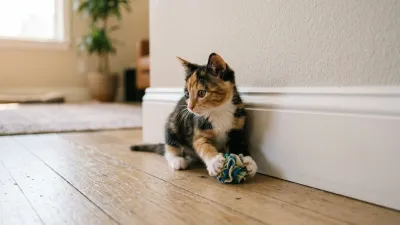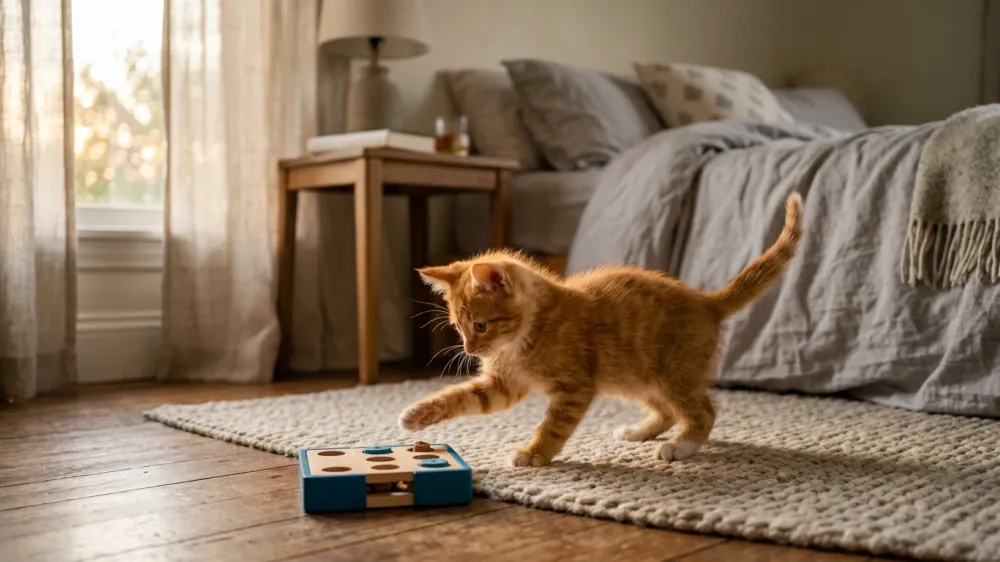
Kittens wake up early because their natural crepuscular biology primes them to be most active at dawn and dusk. When your young feline pounces on your face, meows outside your door, or bats at your toes at 4:00 AM, they are following primal hunting instincts combined with learned attention-seeking behaviors. Correcting this pattern requires resetting their biological cues and adjusting your daily schedule.
By establishing an intentional evening routine, optimizing meal distribution, and eliminating accidental positive reinforcement, you can align your kitten’s internal clock with your sleep cycle.
📋 In This Guide
Why Kittens Wake Up Early#
Understanding the physiological triggers behind early morning wake-ups makes retraining significantly easier. In our experience working with young felines, early waking typically stems from three primary factors:
- Natural Crepuscular Rhythms: Cats are naturally wired for peak activity at dawn and dusk, when prey animals are most active in the wild.
- Fast Metabolism and Hunger: Young kittens have small stomachs and high metabolic rates. After six to eight hours without food, real hunger sets in.
- Accidental Conditioning: If getting out of bed, talking, petting, or feeding happens immediately after a kitten cries, the animal learns that disruptive morning behavior yields instant rewards.
If your young cat also experiences nighttime hyperactivity, review our guide on kitten night zoomies and how to handle them for targeted evening strategies.
| Wake-Up Cause | Kitten Behavior | Immediate Solution |
|---|---|---|
| Hunger | Vocalizing loudly near feeding area, leading you to food bowl | Automatic feeder timed for 30 minutes before regular wake-up |
| Boredom / Energy | Pouncing on toes, racing across furniture, swatting doors | High-intensity play session right before bedtime |
| Habit / Attention | Pawing at eyelids, purring intensely, light meowing | Complete sensory extinction (zero reaction, eye contact, or movement) |
| Excess Pent-Up Instincts | Scratching bedposts, biting hands | Redirect with appropriate scratching posts and chew toys |
4 Steps to Reset Your Kitten’s Morning Schedule#
Implementing a strict, consistent routine resets a kitten’s internal rhythm within one to two weeks.
Step 1: Implement the “Hunt, Eat, Groom, Sleep” Evening Routine#
Felines follow a predictable behavioral sequence: stalking prey, consuming the meal, grooming, and resting. Recreate this cycle roughly one hour before you plan to go to sleep.
- Engage in 20-30 minutes of vigorous interactive play: Use a wand toy or laser pointer to mimic hunting. Encourage full sprints, leaps, and pounces until the kitten visibly slows down and lies on their side panting lightly.
- Serve the largest meal of the day: Offer a rich, protein-dense wet food meal immediately after play. Digesting a substantial meal naturally induces lethargy.
- Allow self-grooming: Give your kitten 15 minutes of quiet time to clean themselves, which acts as their physiological signal that the day is over.
If your kitten tends to nip during high-excitement play sessions, learn proper redirection methods in our guide on how to stop kitten biting and scratching.
Step 2: Separate Your Presence from Morning Breakfast#
The most common mistake pet parents make is feeding their kitten immediately upon opening their eyes. When you roll out of bed and instantly fill a food dish, the kitten links your waking movement directly with sustenance. This encourages them to test waking you earlier each day.
Using a programmable dispenser like the PetSafe Automatic Pet Feeder allows you to schedule small portions to dispense at 4:30 AM or 5:00 AM without you lifting a finger. Alternatively, leaving out a foraging puzzle like the Catit Senses 2.0 Digger Interactive Cat Feeder keeps active paws busy searching for morning snacks, shifting their anticipation toward puzzle toys rather than your bedroom door.
💡 Pro Tip: If you feed manually without a dispenser, wait at least 30 to 45 minutes after waking up, brewing coffee, and getting dressed before filling the bowl. This completely breaks the link between your first steps out of bed and the arrival of food.
Step 3: Practice Total Extinction Protocol#
Behavioral extinction means completely removing all reinforcement for an unwanted behavior. When your kitten attempts to wake you up before your alarm, you must provide absolute neutrality:
- Do not speak, whisper, or make soothing sounds.
- Do not push the kitten away or reposition them (physical contact is still reinforcement).
- Do not make eye contact.
- Keep your eyes closed and remain completely still under the covers.
Expect an “extinction burst” during the first three to five nights. When an old behavior stops working, kittens temporarily escalate their efforts by meowing louder or jumping harder. If you hold firm without reacting, the behavior will drop off sharply.
Step 4: Optimize the Sleeping Environment#
Environmental adjustments help prevent accidental early wake cues triggered by rising daylight or ambient noise.
- Blackout Curtains: Prevent the 5:00 AM sunrise from triggering crepuscular hunting drives.
- Quiet Solo Toys: Leave out plush kickers, felt balls, or puzzle feeders that do not feature loud bells or squeakers so the kitten can self-soothe in silence.
- White Noise Machine: Masks early neighborhood noises, such as delivery trucks or songbirds, that might stir a light-sleeping kitten.
- Dedicated Sleep Zone: If sleep deprivation continues, set up a dedicated safe room equipped with a bed, water, litter box, and toys. If your kitten is still adapting to your home or learning baseline habits, review our walkthrough on how to litter train a kitten step by step to ensure their overnight setup is comfortable and complete.
⚠️ Safety Warning: Never lock a young kitten away in a cold or isolated room without access to water, clean litter, warm bedding, and safe enrichment items. Social development requires gentle handling, especially if you are working on socializing a shy or feral kitten.
Checklist: Nightly Sleep Prep#
Run through this quick checklist every night before turning off the lights:
- 20-30 minute active chase session completed
- Bedtime protein meal served and finished
- Litter box scooped to prevent nighttime discomfort
- Automatic feeder programmed for dawn meal
- Interactive wand toys put away in closed drawers for safety
- Safe, quiet self-play toys placed around the room
- Blackout curtains drawn completely shut
Frequently Asked Questions#
Should I lock my kitten out of my bedroom at night?#
Yes, keeping your kitten out of the bedroom is an acceptable and effective solution if your sleep is severely disrupted. Ensure the door stays firmly shut without exceptions. If the kitten scratches or meows at the door, place double-sided tape or a carpet runner near the threshold to deter lingering, and ignore all vocalizations until your morning alarm rings.
At what age do kittens stop waking up early?#
Most kittens begin naturally settling into adult sleep patterns between 6 and 12 months of age as their metabolism stabilizes and their rapid growth phases taper off. However, without proper boundary training and scheduled feedings during early months, morning wake-up demands can turn into permanent adult habits.
Is my kitten waking up early because of health problems?#
While early waking is normal kitten behavior, abrupt changes in sleep or frantic pacing accompanied by vocalizations can occasionally indicate physical discomfort, such as parasites, gastrointestinal upset, or urinary tract issues. If you notice signs of itching or skin irritation alongside restlessness, consult our guide on how to treat kitten fleas safely, and contact a local veterinarian if abnormal behaviors persist.
Summary: Your 7-Day Action Plan#
Shifting your kitten’s sleep schedule requires consistent reinforcement and zero dawn rewards. Begin tonight with a vigorous 30-minute play session followed immediately by a hearty dinner. Set an automated feeder to dispense breakfast 30 minutes before your kitten normally wakes you, draw your blackout shades, and commit to complete non-reaction when morning disturbance occurs. Within one week of strict consistency, your kitten will learn that sleeping quietly produces the best outcomes.