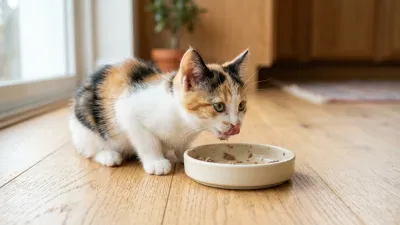
Kittens can safely eat plain Greek yogurt in very small amounts once they have completely transitioned to solid food. While not a required component of an obligate carnivore’s diet, unsweetened plain Greek yogurt contains significantly less lactose than standard milk, making it a gentle, probiotic-rich treat for curious young felines.
However, dairy products should never replace a balanced commercial kitten diet. Understanding how a kitten processes cultured dairy, what ingredients to avoid, and how to measure safe micro-portions will keep your young pet healthy and free from digestive distress.
📋 In This Guide
Why Plain Greek Yogurt Differs from Regular Dairy#
Many pet owners assume that because adult cats are lactose intolerant, all dairy is off-limits. While this caution is generally wise, Greek yogurt undergoes a distinct production process that changes its nutritional profile.
During the manufacturing of Greek yogurt, regular yogurt is strained multiple times to remove liquid whey. Because the majority of dairy sugar (lactose) is suspended within the whey, strained Greek yogurt contains a fraction of the lactose found in whole milk, cream, or standard yogurt. The live active bacterial cultures present during fermentation also help break down the remaining lactose sugars, making it easier for a kitten’s developing digestive tract to handle.
💡 Pro Tip: Always inspect the ingredient label before sharing yogurt with your pet. The only ingredients should be pasteurized milk and live active cultures. Never offer yogurt containing artificial sweeteners, thickeners, or added sugars.
Nutritional Breakdown: Benefits vs. Risks for Kittens#
While high-quality commercial foods provide complete nutrition, small tastes of select safe human foods for kittens can offer enrichment. Plain Greek yogurt brings several functional elements to the table, alongside a few considerations pet owners must weigh.
| Feature | Plain Greek Yogurt | Potential Benefit | Risk / Caution |
|---|---|---|---|
| Lactose Content | Very low (strained whey) | Lower chance of acute gas or loose stool | Sensitive kittens may still react |
| Protein | High (casein & milk protein) | Supports cellular maintenance | Not a substitute for meat-based protein |
| Fat Content | Moderate to High (whole milk) | Concentrated energy source | Excess fat can cause stomach upset |
| Live Probiotics | L. bulgaricus, S. thermophilus | Promotes beneficial gut flora | Too much can disrupt natural bacterial balance |
| Calcium | High | Supports bone and tooth strength | Kittens require balanced calcium-to-phosphorus ratios |
The Role of Probiotics in Young Felines#
Live active cultures in Greek yogurt introduce friendly bacteria into the intestinal tract. For kittens experiencing mild digestive changes due to stress or diet transitions, a tiny dab of yogurt can provide temporary microbiome support. However, if your kitten suffers from severe loose stools, targeted remedies like pumpkin for digestive upset or specialized feline probiotic supplements are more appropriate.
Lactose Sensitivity and Weaning#
As kittens wean from their mother’s milk, their bodies naturally downregulate the production of lactase, the enzyme responsible for digesting dairy sugars. By the time a kitten reaches 8 to 12 weeks of age, their capacity to process high-lactose dairy drops sharply. Even though Greek yogurt is low in lactose, feeding large amounts can overwhelm their limited enzyme supply and cause gastrointestinal upset.
Safe Feeding Rules and Portion Sizes#
Moderation is critical when introducing new foods to growing pets. Kittens have tiny stomachs and strict caloric requirements that must come primarily from animal proteins.
Step-by-Step Feeding Guidelines#
- Verify Age and Health: Only offer Greek yogurt to kittens older than 10 to 12 weeks that are already thriving on balanced solid food. Young kittens still adjusting to wet vs dry food for kittens should not receive dairy treats.
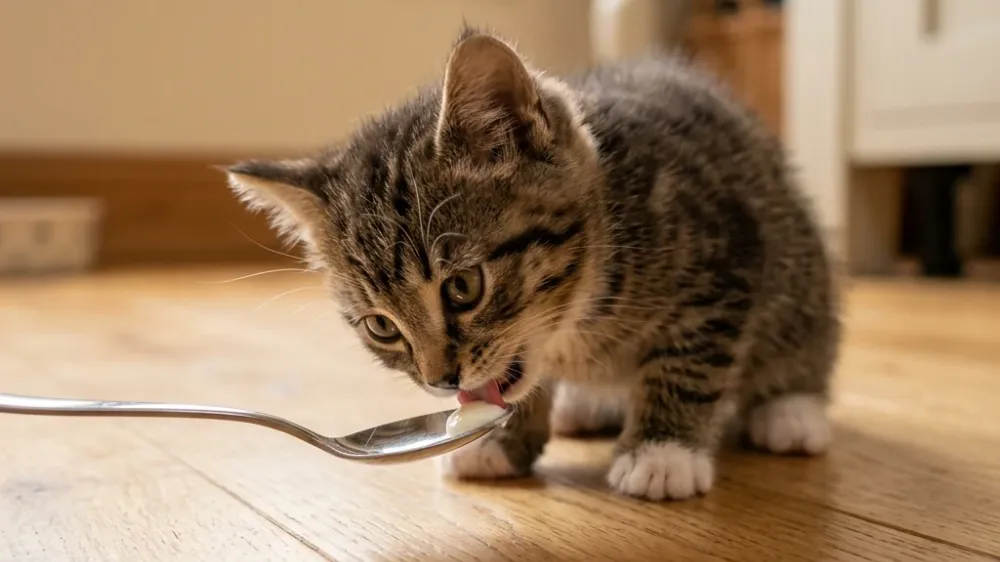
- Start with a Micro-Dose: Offer a dab no larger than the tip of your pinky finger (roughly 1/8 teaspoon). Let the kitten lick it off your finger or a clean spoon.
- Observe for 24 Hours: Watch for any signs of intolerance, including loose stool, excessive gas, bloating, or lethargy.
- Establish Treat Limits: If your kitten tolerates the yogurt without issue, you may offer up to 1/4 teaspoon once or twice a week as a high-value training reward or enrichment topper.
⚠️ Safety Warning: Never feed flavored, fruit-on-the-bottom, or “light” yogurts. Artificial sweeteners such as xylitol (often listed as birch sugar or wood sugar) are extremely toxic to pets and can cause rapid liver failure and life-threatening hypoglycemia.
Unsafe Yogurt Varieties to Avoid Completely#
While 100% plain, unsweetened Greek yogurt is safe in tiny amounts, many grocery store varieties pose serious health hazards to cats:
- Flavored Yogurts (Vanilla, Strawberry, Blueberry): These products contain high amounts of refined sugar or corn syrup, which can cause obesity, dental decay, and diarrhea.
- Diet or Sugar-Free Yogurts: Frequently sweetened with xylitol, stevia, or aspartame, all of which are dangerous or disruptive to a kitten’s metabolism.
- Chocolate or Coffee Infused Yogurts: Contain theobromine and caffeine, both of which are toxic compounds that can cause cardiovascular and neurological emergencies in felines.
- Yogurts with Added Starches or Pectin: Commercial stabilizers can cause intestinal cramping and gas in young animals.
If you want to provide healthy variety alongside Greek yogurt, consider meat-focused alternatives such as plain cooked chicken or small pieces of scrambled eggs, which align naturally with a feline’s carnivorous dietary needs. Pet owners curious about broader raw feeding strategies should explore our guide on raw food diets for kittens.
Frequently Asked Questions#
Can Greek yogurt help a kitten with diarrhea?#
While the probiotics in Greek yogurt support gut health, yogurt is not a medical cure for acute kitten diarrhea. Diarrhea in young kittens can quickly lead to dehydration and may stem from parasites, infections, or dietary stress. If your kitten develops loose stool, consult your veterinarian for a diagnostic evaluation rather than relying on dairy treats.
Can kittens eat vanilla Greek yogurt?#
No. Vanilla Greek yogurt contains added cane sugar, vanilla extract, and sometimes alcohol-based flavorings or artificial sweeteners. Kittens lack the taste receptors for sweetness and cannot metabolize high-sugar foods efficiently. Stick strictly to 100% unflavored, unsweetened products.
How often can I give my kitten Greek yogurt?#
Greek yogurt should only be given as an occasional novelty treat. Limit portions to 1/4 teaspoon no more than once or twice per week. Treats of any kind should make up less than 5% of a growing kitten’s total daily caloric intake to prevent nutritional deficiencies.
Summary: Safe Greek Yogurt Feeding Checklist#
To make sure your kitten enjoys plain Greek yogurt without digestive complications, follow this quick reference checklist:
- Select Plain Only: Verify that the ingredient list contains only pasteurized milk and active live cultures.
- Strict Portion Control: Serve no more than 1/8 to 1/4 teaspoon per session.
- Check Sweetener Labels: Make sure zero artificial sweeteners, especially xylitol (birch bark extract).
- Monitor Digestion: Stop feeding immediately if your kitten experiences gas, vomiting, or diarrhea.
- Treats Remain Secondary: Keep balanced kitten food as 95% or more of your pet’s daily nutritional intake.