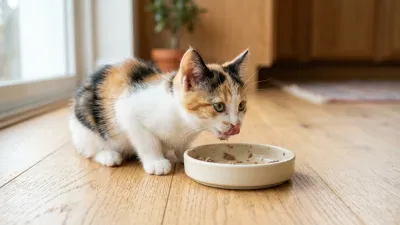
Kittens can safely eat plain scrambled eggs in small amounts as an occasional treat. Eggs provide high-quality animal protein, amino acids, and key fatty acids that support your kitten’s rapid development. However, scrambled eggs must be prepared without butter, oil, milk, salt, or seasoning, and they should never replace a nutritionally complete kitten formula.
While eggs are among the safe human foods for kittens, understanding proper portion control and preparation is critical to avoid gastrointestinal upset.
📋 In This Guide
Nutritional Benefits of Scrambled Eggs for Growing Kittens#
Eggs are a dense source of bioavailable nutrients. For a growing kitten, the protein found in eggs supplies key building blocks that complement their primary daily meals.
Key nutrients found in eggs include:
- Pure Animal Protein: Eggs have a complete amino acid profile, including leucine, lysine, and methionine, which help build lean muscle tissue.
- Key Fatty Acids: Egg yolks contain omega-3 and omega-6 fatty acids that nourish developing skin and coat health.
- Taurine: This key amino acid supports retinal health and cardiac function in felines.
- Vitamins and Minerals: Eggs supply riboflavin (vitamin B2), vitamin B12, iron, and selenium to support immune system development.
Although nutrient-rich, eggs lack calcium and other trace minerals required in precise feline ratios. They function best as an occasional supplemental snack alongside wet vs dry food for kittens.
Safe Preparation Rules: How to Cook Eggs for Kittens#
When preparing scrambled eggs for a kitten, the preparation method makes all the difference between a healthy snack and severe digestive upset.
⚠️ Safety Warning: Never feed raw eggs or runny eggs to a kitten. Raw egg whites contain avidin, a protein that interferes with biotin absorption, while raw eggs carry risks of bacterial contamination such as Salmonella and E. coli.
1. Skip All Fats, Dairy, and Seasonings#
Never use butter, cooking oils, margarine, non-stick cooking spray, or milk. Most kittens lose the enzyme needed to digest lactose shortly after weaning, so adding milk or butter can trigger diarrhea. Seasonings like garlic powder, onion powder, and excess salt are toxic to cats and must be strictly avoided.
2. Cook Thoroughly#
Whisk a single whole egg in a small bowl. Pour the mixture into a dry non-stick skillet over low-medium heat, or microwave it in a microwave-safe ceramic bowl for 45 to 60 seconds until fully set and firm.
3. Cool and Portion#
Allow the scrambled egg to cool completely to room temperature. Break a small piece into tiny, bite-sized bits before serving so your kitten can chew easily without choking.
For serving soft supplemental foods without messy cleanups, specialized feeding mats work exceptionally well.
Feeding Guidelines: Portions and Frequency#
Treats of any kind, including plain scrambled eggs and best healthy treats for kittens under 6 months, should never make up more than 10 percent of a kitten’s daily caloric intake. The remaining 90 percent must come from a complete and balanced kitten food.
| Kitten Age | Recommended Serving Size | Maximum Frequency |
|---|---|---|
| 8 - 12 Weeks | 1/2 teaspoon (finely mashed) | Once per week |
| 3 - 6 Months | 1 teaspoon | 1 - 2 times per week |
| 6 - 12 Months | 1/2 tablespoon | 1 - 2 times per week |
| Adult Cats (12+ Months) | Up to 1 tablespoon | 2 times per week |
If your kitten has a reduced appetite, a tiny warm bite of egg can stimulate interest in food. However, if a young cat stops eating their regular diet entirely, read our guide on how long can a kitten go without eating to assess whether prompt veterinary attention is needed.
Raw vs. Cooked: Why Cooked Eggs Are Key#
Some pet owners explore raw feeding concepts for pets, but raw eggs carry substantial risks for young felines whose immune systems are still maturing. For a deeper look at uncooked diets, see our guide on whether kittens can eat a raw food diet safely.
Cooking the egg achieves two key goals:
- It denatures the protein avidin in the egg white, preventing biotin deficiency.
- It eliminates harmful bacteria that can cause severe gastrointestinal distress in young kittens.
Similarly, if you want to provide other plain protein snacks, plain cooked chicken for kittens is another safe, digestible option.
💡 Pro Tip: If you are introducing scrambled eggs for the first time, offer just a pinch (the size of a pea). Monitor your kitten’s stool and behavior for 24 hours to confirm they do not have a food sensitivity before offering more.
Frequently Asked Questions#
Can 4-week-old kittens eat scrambled eggs?#
No. Four-week-old kittens are just starting the weaning process and require specialized kitten milk replacer or a very smooth starter mousse. Solid table foods, including scrambled eggs, are too heavy for their developing digestive systems at this stage.
Can kittens eat scrambled egg yolk or only egg white?#
Kittens can eat both the yolk and the white, provided they are thoroughly cooked. The yolk provides healthy fats and fat-soluble vitamins, while the white provides lean protein. Whisking the whole egg together provides a balanced treat.
What should I do if my kitten eats scrambled eggs with butter or cheese?#
Monitor your kitten closely. A tiny lick of buttered egg may cause mild loose stool or gas due to lactose sensitivity. If your kitten develops severe vomiting, watery diarrhea, or lethargy, or if the eggs contained garlic or onion seasonings, consult your veterinarian right away.
Summary: Safe Egg Feeding Action Plan#
To safely incorporate scrambled eggs into your kitten’s snack routine:
- Keep it completely plain: Cook without butter, oil, milk, salt, or spices.
- Cook it solid: Make sure the egg is fully firm with no runny liquid.
- Serve tiny portions: Offer no more than half a teaspoon for young kittens as an occasional reward.
- Maintain balance: Prioritize commercial, age-appropriate kitten food for all primary nutritional needs.