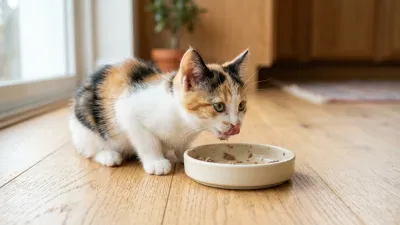
Kittens can eat raw food only under strict conditions, but feeding an unpasteurized or homemade raw meat diet carries severe risks of bacterial infection and nutritional deficiencies. Because kittens possess developing immune systems and rapid bone growth requirements, any imbalance in their daily intake can cause permanent developmental disorders.
Pet care experts advise extreme caution before introducing raw meat to juvenile felines. Understanding the distinction between commercial pathogen-controlled formulas and dangerous DIY recipes is key for protecting your kitten’s health.
📋 In This Guide
The Core Risks of Raw Food for Kittens#
Feeding raw meat to adult cats carries some inherent microbial risks, but for kittens under twelve months old, those risks multiply significantly.
1. Immature Immune Defenses#
Kittens do not develop a fully functional immune system until several months after weaning. Pathogens commonly found in raw poultry and red meat, including Salmonella, Listeria monocytogenes, E. coli, and Campylobacter, can easily overwhelm a kitten’s gut flora. This can cause severe gastrointestinal distress, rapid dehydration, septicemia, and even life-threatening systemic illness.
2. Skeletal and Nutritional Imbalances#
During rapid growth spurts, kittens require a precise balance of calcium, phosphorus, and vitamin D. Whole cuts of raw muscle meat lack adequate calcium, while raw bone meal can be improperly digested by small stomachs. An improper calcium-to-phosphorus ratio frequently leads to nutritional secondary hyperparathyroidism, a metabolic bone disease causing brittle bones and painful skeletal deformities.
3. Key Nutrient Deficiencies#
Cats are obligate carnivores that require high levels of dietary taurine, arachidonic acid, and preformed vitamin A. Freshly cut grocery store meat degrades taurine rapidly when exposed to air and light, and unsupplemented raw meat will not meet the biological needs of a growing kitten.
⚠️ Safety Warning: Never feed raw bones to young kittens. Sharp bone fragments can cause dental fractures, esophageal choke hazards, or gastrointestinal perforations requiring emergency surgery.
Commercial Raw vs. Homemade Raw Diets#
If you want to feed your kitten a biologically appropriate raw diet, you must understand the critical difference between commercial prepared options and homemade raw meals.
| Feature | Homemade Raw Diets | Commercial Complete Raw | Standard Kitten Food |
|---|---|---|---|
| Pathogen Control | None (High risk of bacteria) | High-Pressure Processing (HPP) / Pathogen tested | Heat sterilized / Cooked |
| Nutrient Balance | Highly variable, often deficient | Formulated for growth life stages | Complete and balanced for kittens |
| Preparation Time | High (grinding, mixing, weighing) | Low (thaw or rehydrate and serve) | Instant (open and serve) |
| Safety for Households | Risk of cross-contamination | Managed safety protocols | Minimal microbial risk |
Homemade raw diets assembled from grocery store meats almost always fail to meet the rigorous nutritional profiles required for kitten development. In contrast, commercial freeze-dried or frozen raw diets formulated specifically for kittens use high-pressure processing (HPP) to destroy active bacteria while preserving natural nutrients.
Key Nutrients Kittens Need for Healthy Development#
Before choosing between raw formulas, commercial wet vs dry food for kittens, or lightly cooked alternatives, verify that the diet provides these key growth components:
- High-Quality Animal Protein: Kittens require significantly more crude protein per pound of body weight than adult cats to build muscle and organ tissue.
- Taurine: An key amino acid critical for retinal health, cardiac function, and immune competence.
- Docosahexaenoic Acid (DHA): An omega-3 fatty acid found in fish oils and animal tissue that supports central nervous system and brain development.
- Calibrated Calcium and Phosphorus: Key for dense bone mineral deposition during first-year growth.
Safe Alternatives to Raw Feeding#
If you want to provide whole, fresh meat flavors without the biological hazards of raw food, several safer feeding options exist.
Pet owners can safely offer small portions of plain cooked chicken as an occasional meal topper. Gently boiling or baking unseasoned chicken breast eliminates dangerous surface bacteria while delivering high-quality lean protein.
You can also explore a curated list of safe human foods for kittens to introduce safe variety without unbalancing their daily calorie intake. Whole food additions should never exceed ten percent of your kitten’s total daily caloric allowance.
💡 Pro Tip: If you feed commercial freeze-dried raw nuggets, always rehydrate them with warm water or unsalted bone broth. Kittens rely heavily on dietary moisture to support kidney function and urinary tract health.
How to Transition Your Kitten Safely#
Abrupt dietary shifts are a primary cause of acute diarrhea and appetite loss in young cats. Follow these structured guidelines when introducing any new diet:
- Maintain Consistent Meal Times: Align the new food with your existing kitten feeding schedule by age.
- Use a Gradual Transition: Follow proven protocols on how to transition kitten to new food without upset stomach by blending small amounts of the new food over a 7 to 10 day window.
- Practice Strict Hygiene: Wash stainless steel food dishes with hot, soapy water immediately after every feeding. Discard any uneaten raw or wet food left at room temperature for longer than thirty minutes.
- Plan for Life Stages: Keep your kitten on growth-formulated food until twelve months of age before deciding when to switch kitten to adult cat food.
Frequently Asked Questions#
Can an 8-week-old weaned kitten eat raw meat from the grocery store?#
No. Grocery store cuts of raw meat are intended to be cooked before human consumption and frequently contain surface bacteria such as Salmonella and Campylobacter. In addition, plain raw meat lacks the necessary calcium, vitamins, and minerals required to sustain an 8-week-old kitten’s growth.
Is commercial freeze-dried raw food safer than raw frozen meat for kittens?#
Yes. Reputable commercial freeze-dried raw diets undergo safety protocols like High-Pressure Processing (HPP) to neutralize harmful pathogens while keeping the recipe nutritionally complete. Always verify that the package explicitly states it meets nutritional levels for growth or all life stages.
What are the symptoms of bacterial food poisoning in kittens?#
If a kitten consumes contaminated raw meat, symptoms usually appear within 12 to 48 hours. Watch for lethargy, fever, watery or bloody diarrhea, vomiting, severe abdominal pain, and refusal to eat. Contact a veterinarian immediately if any of these signs occur.
Summary: Kitten Raw Feeding Action Plan#
To support your kitten gets the benefits of high-protein nutrition without endangering their developing body, implement this structured approach:
- Prioritize Growth Formulations: Only feed diets labeled as complete and balanced for kitten growth or all life stages.
- Avoid DIY Raw Recipes: Do not attempt homemade raw formulations without direct guidance from a veterinary nutritionist.
- Opt for Pathogen-Controlled Commercial Options: Choose commercially processed, freeze-dried, or frozen raw options that use safety testing protocols.
- Maintain Kitchen Sanitation: Wash hands, prep surfaces, and pet bowls thoroughly to avoid bacterial transfer in your home.
- Monitor Stool and Weight: Track your kitten’s weekly weight gain and stool consistency to confirm they are absorbing key nutrients properly.